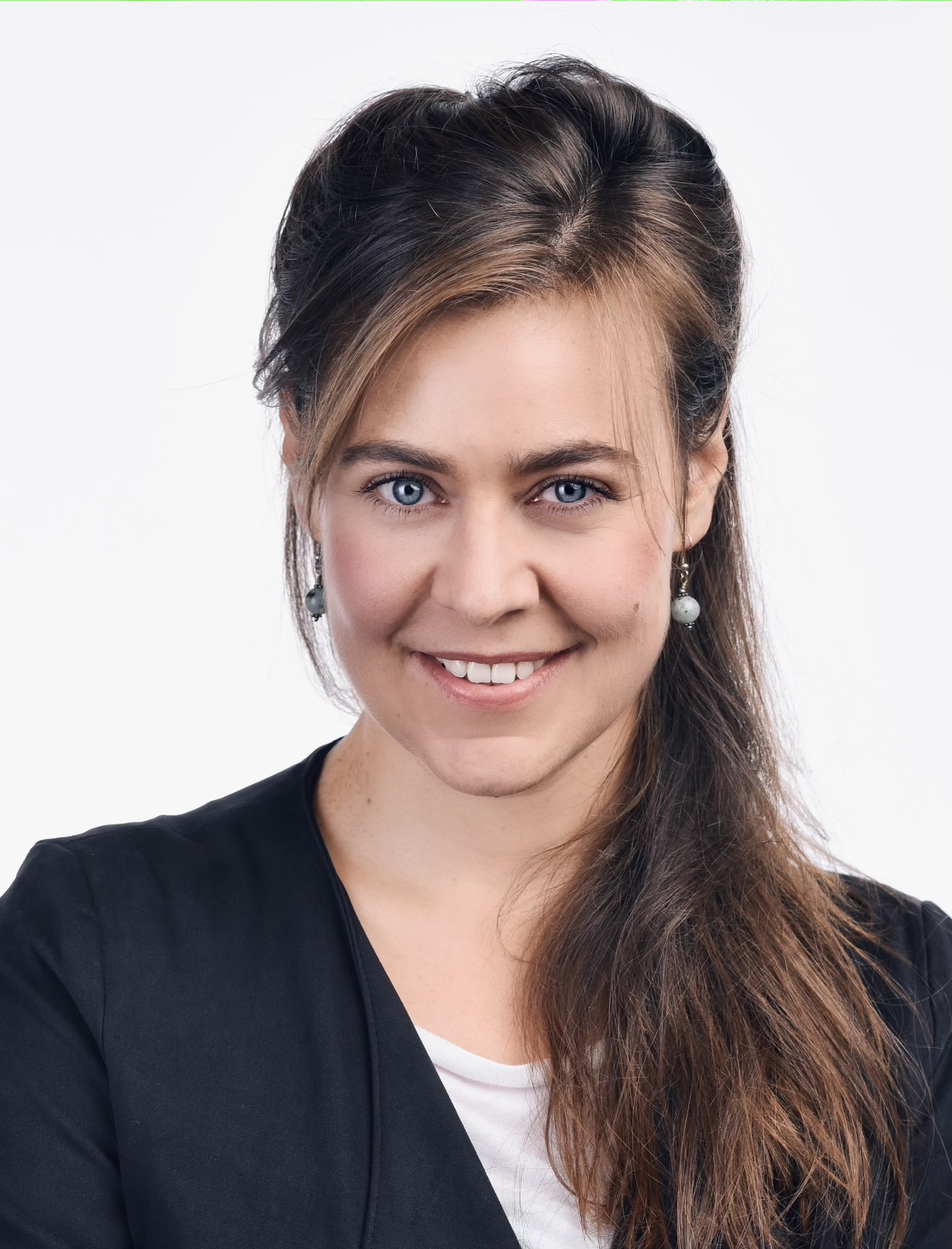
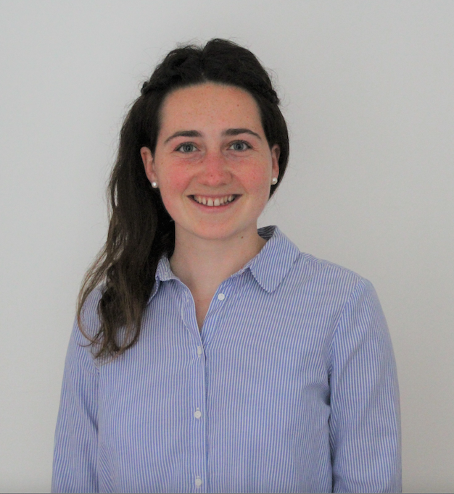
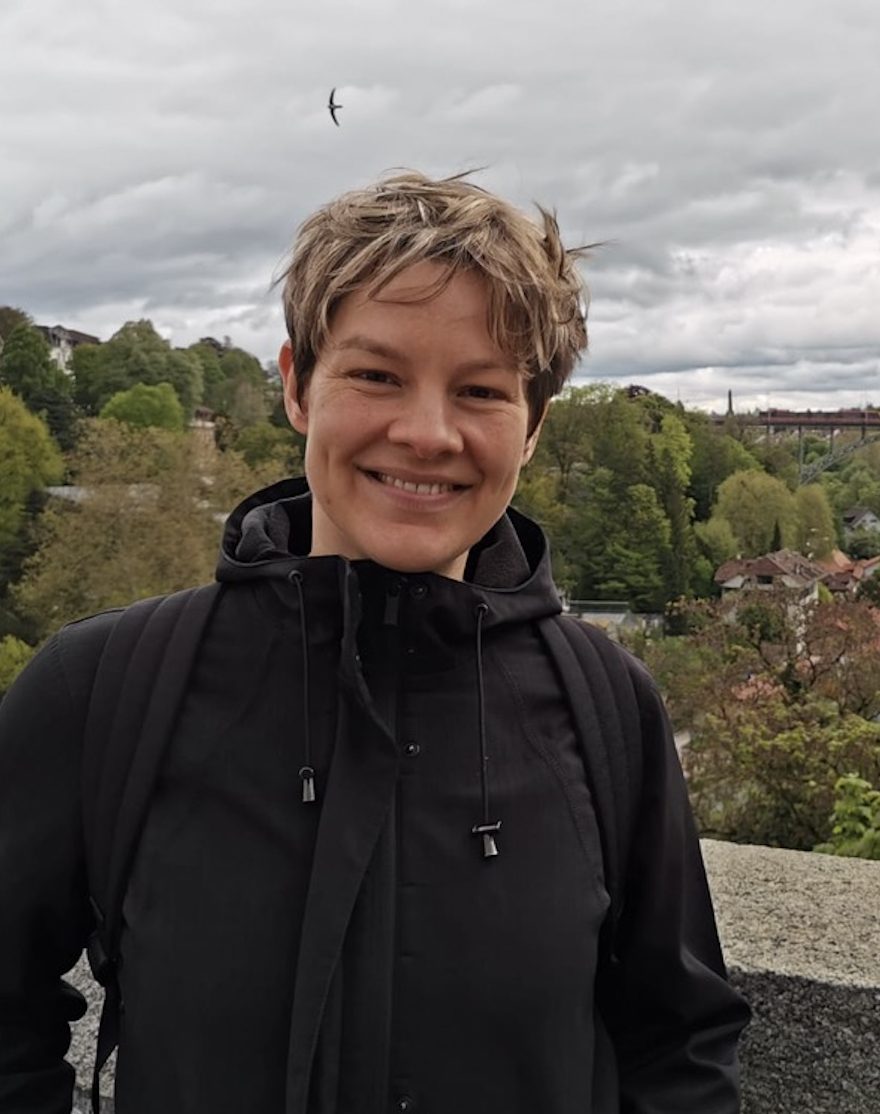
Jeannine Wintzer










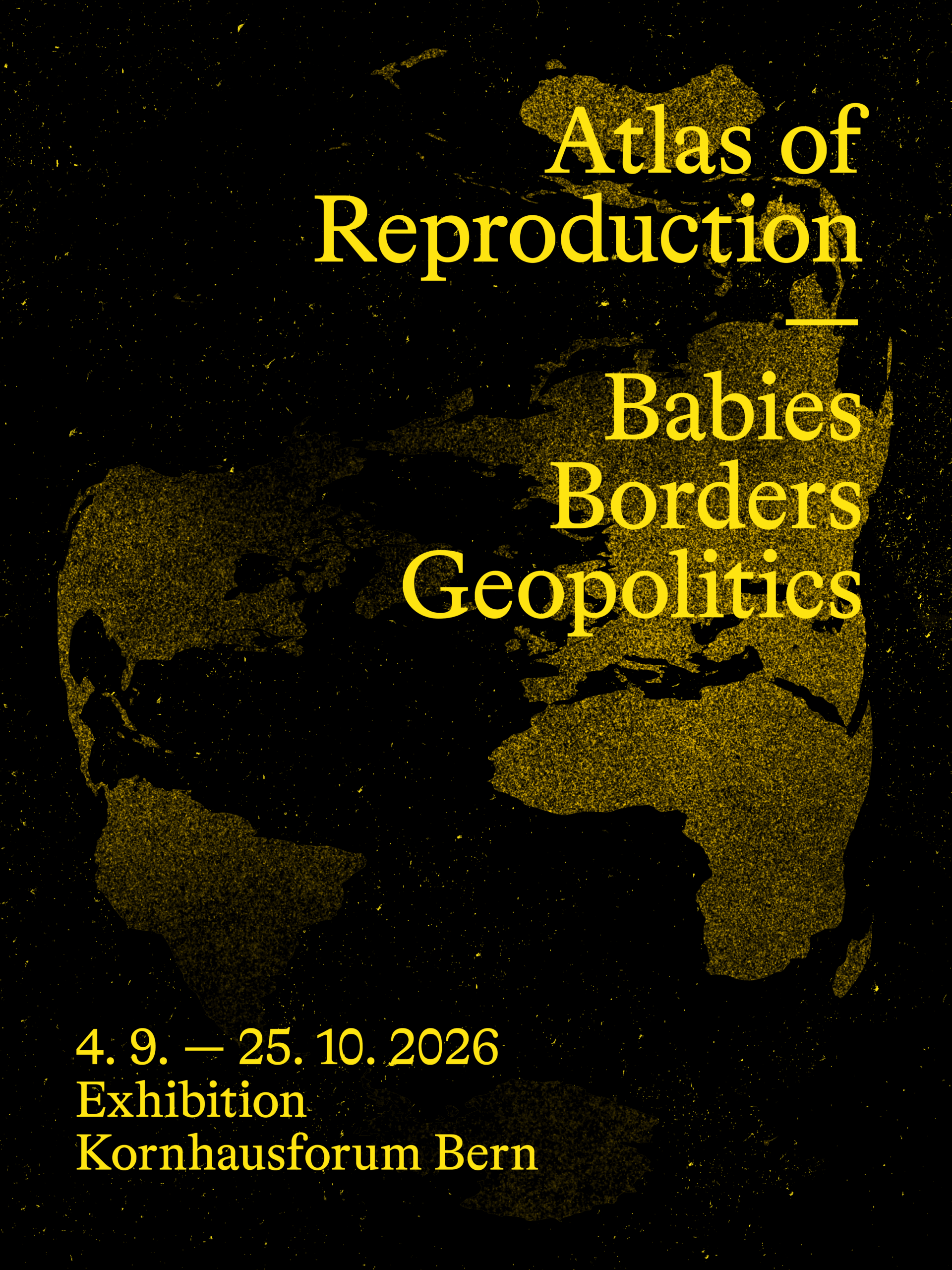
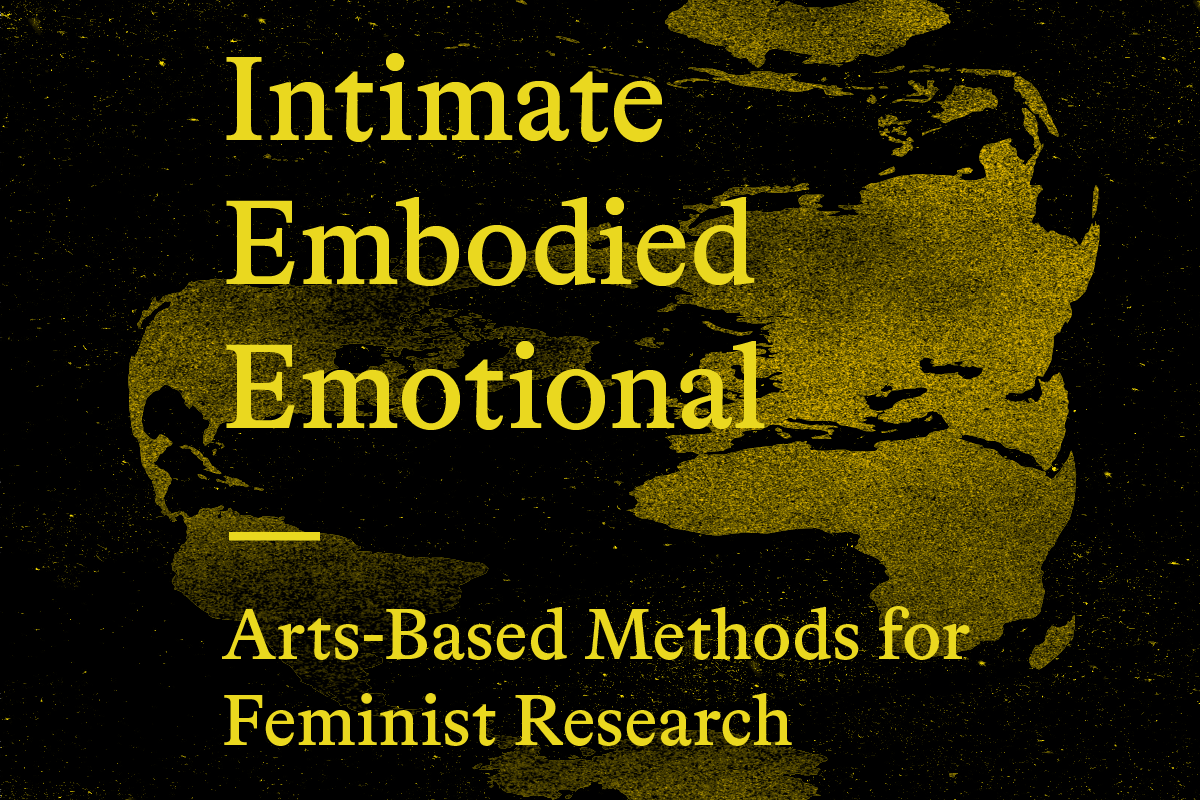


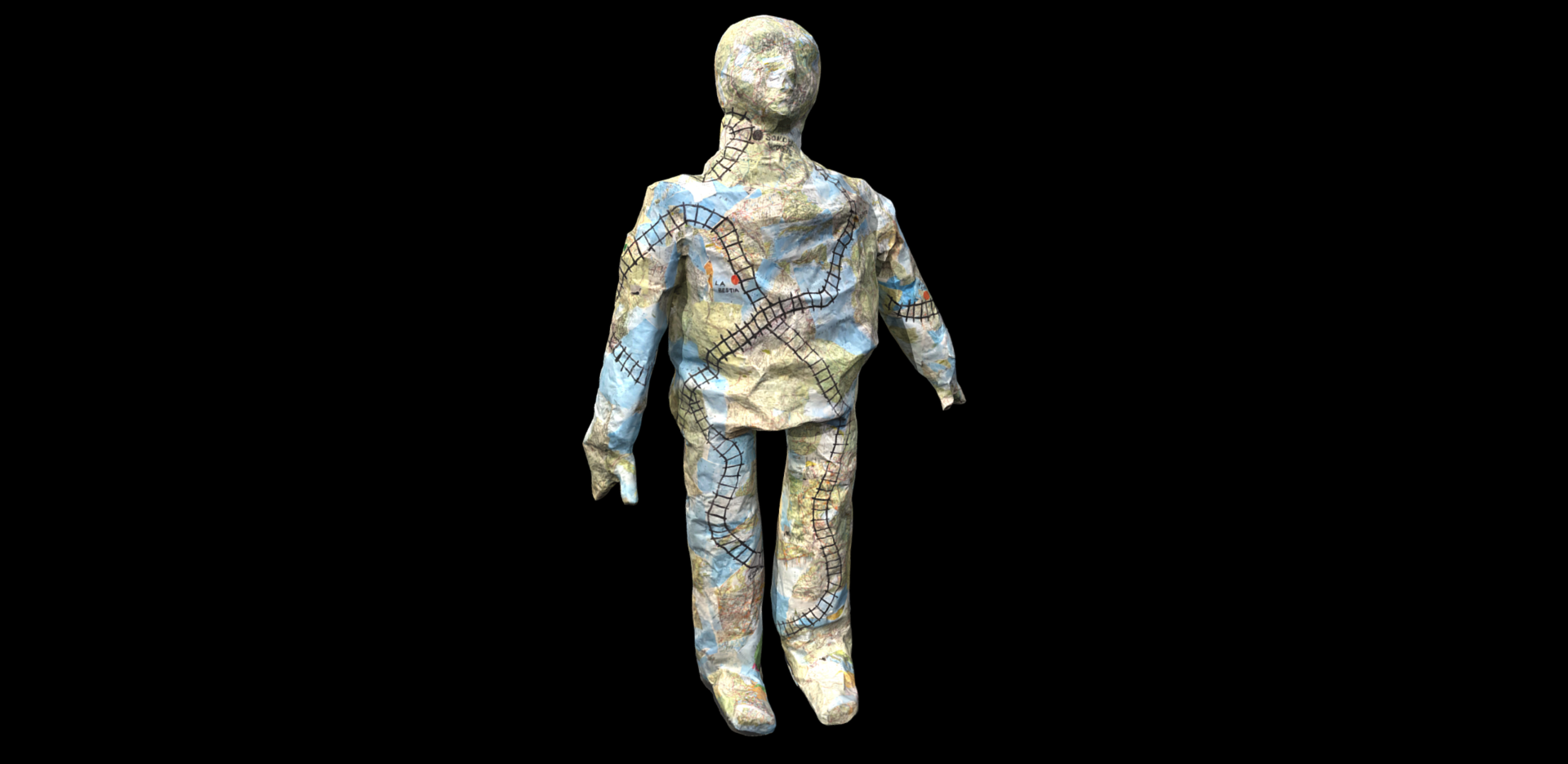

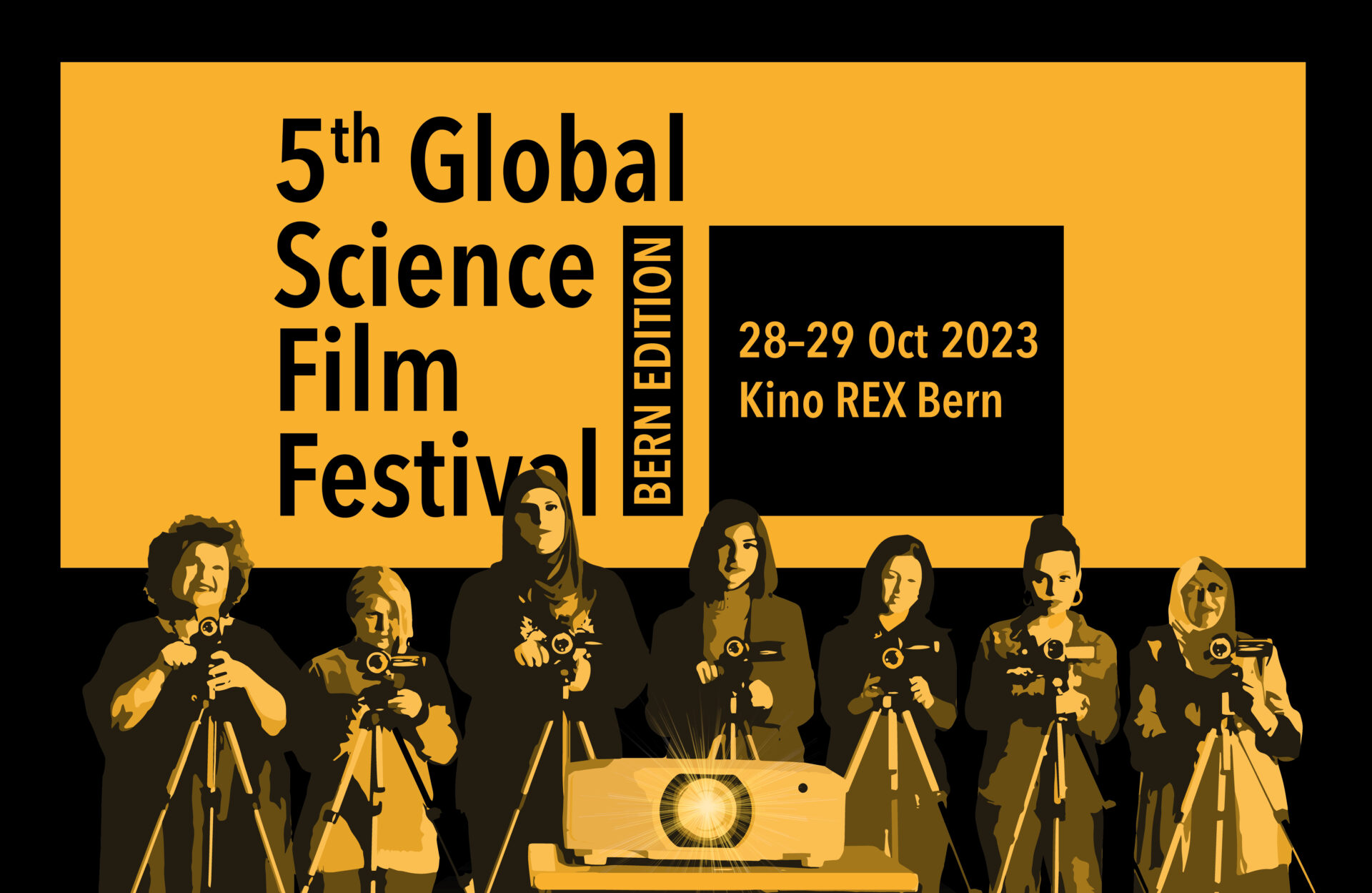
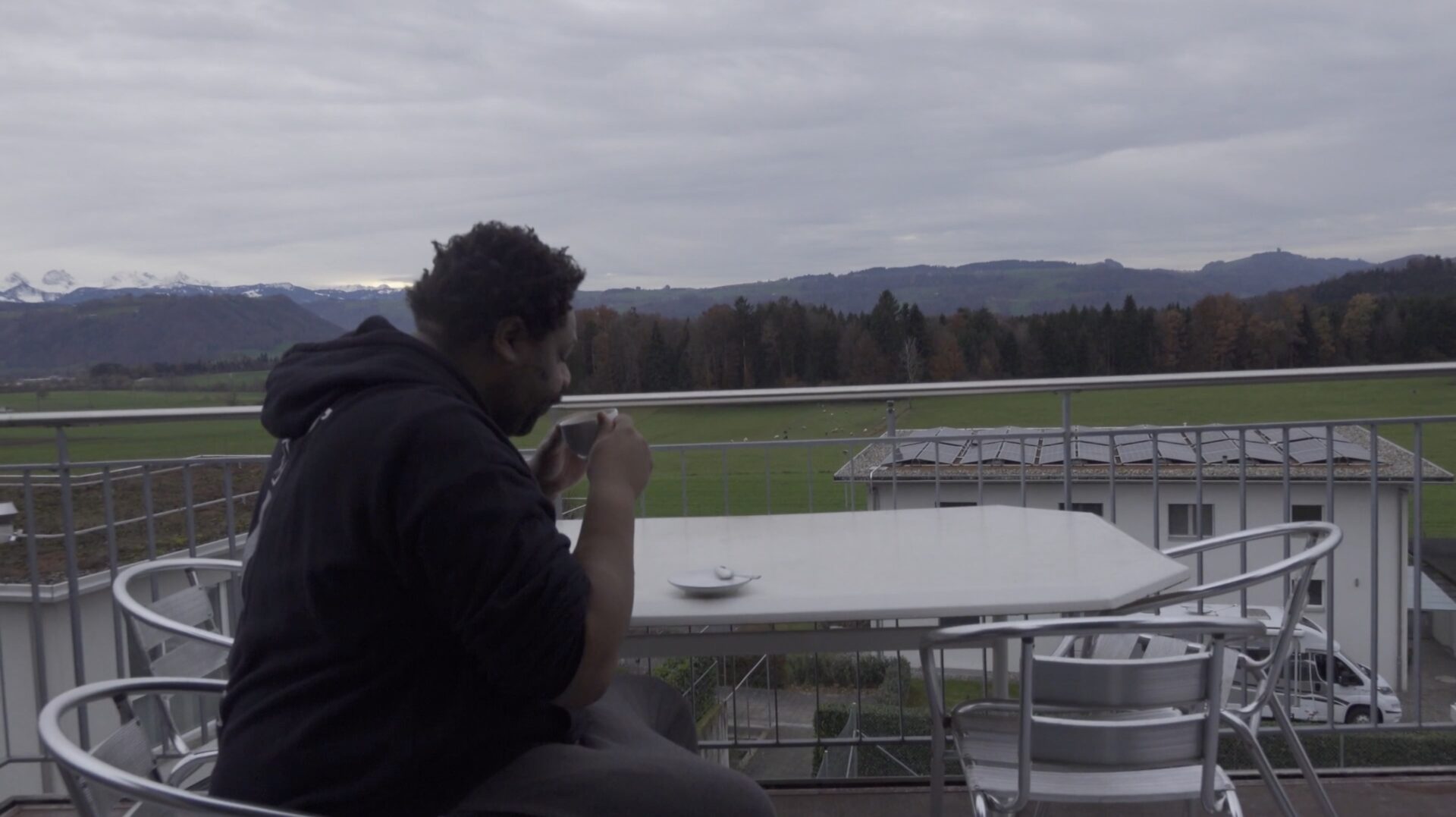
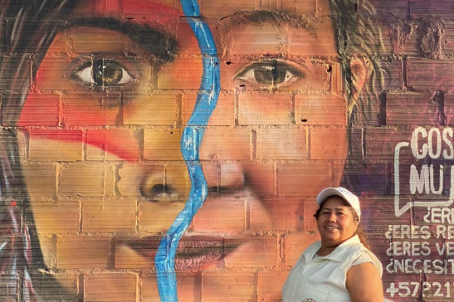
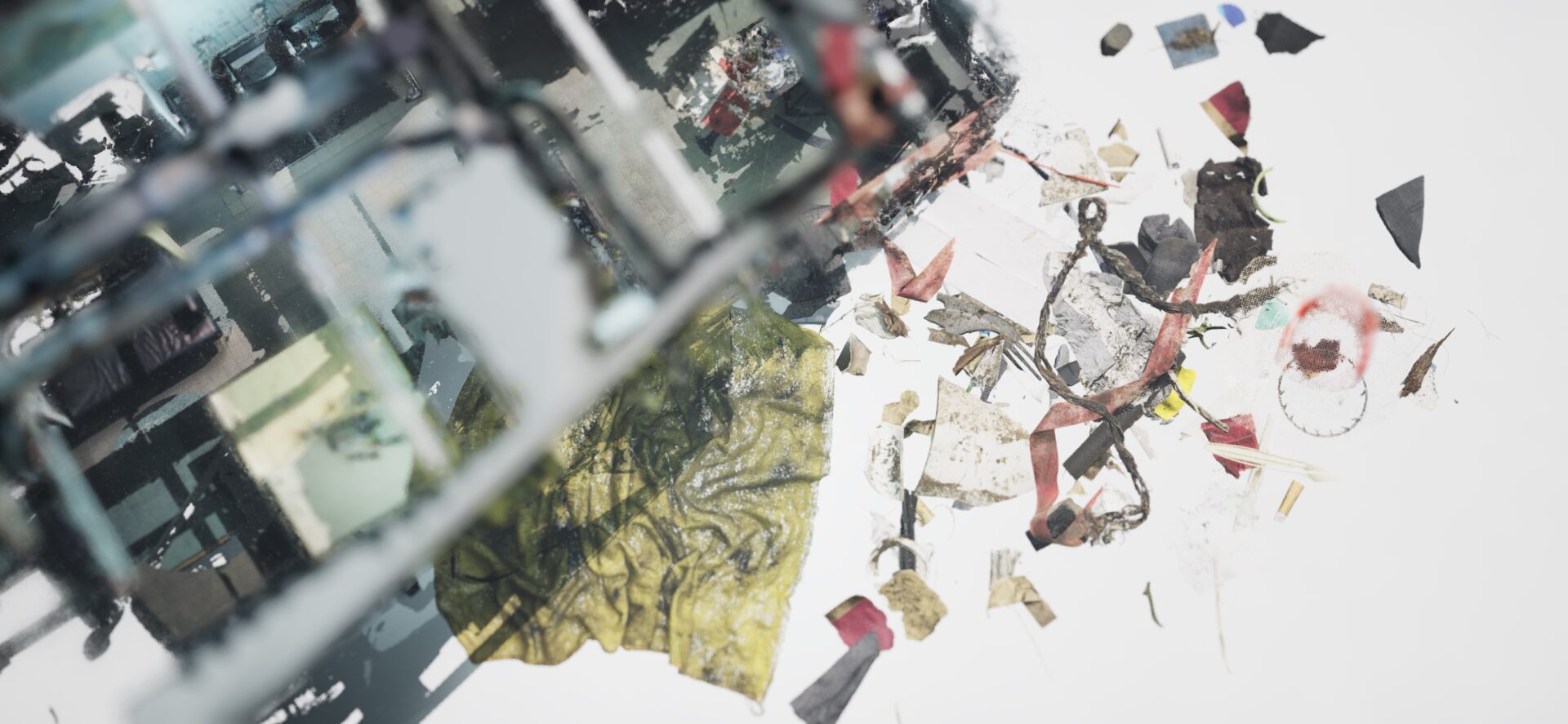

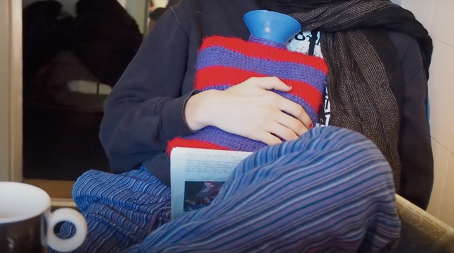
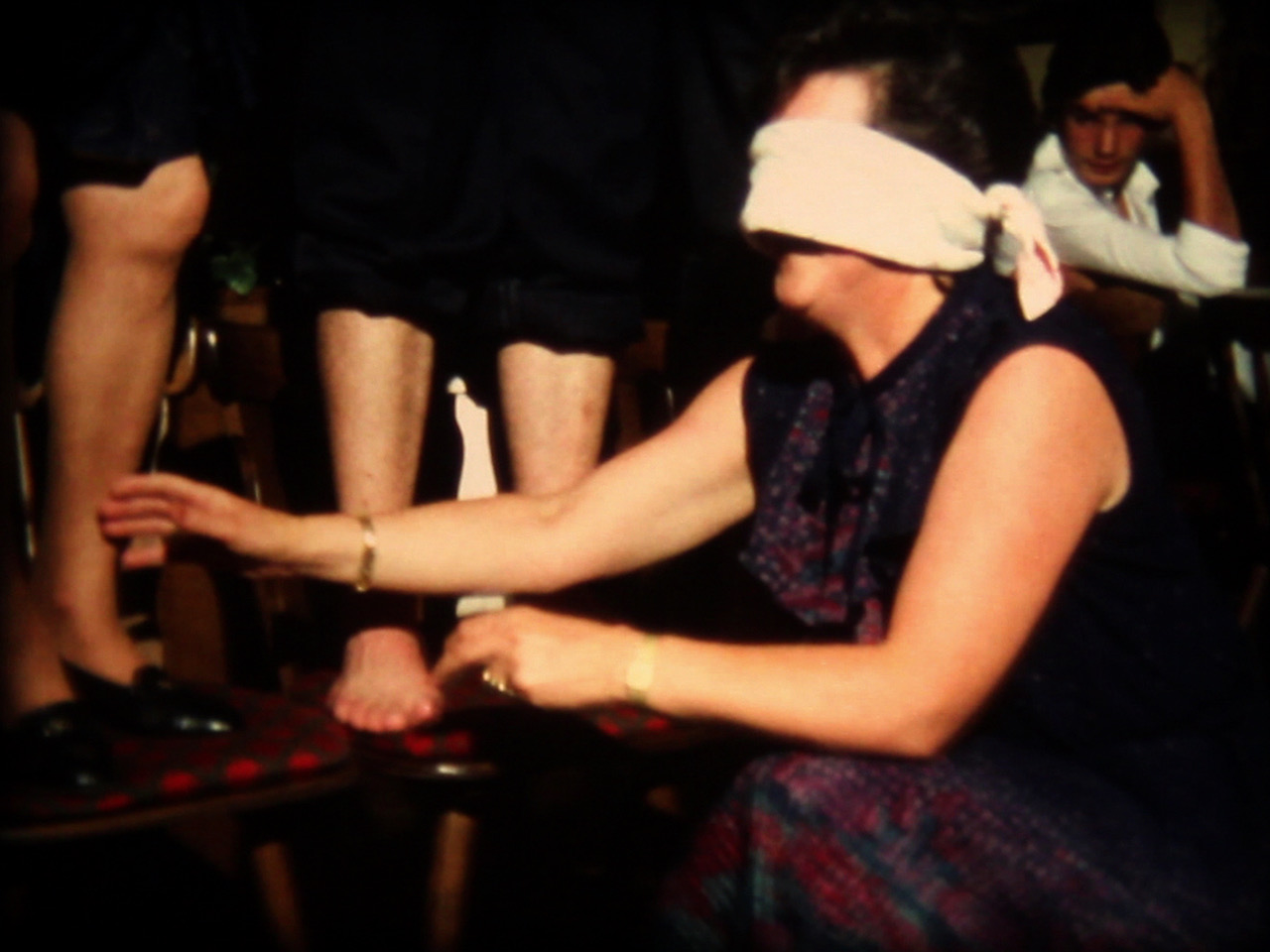


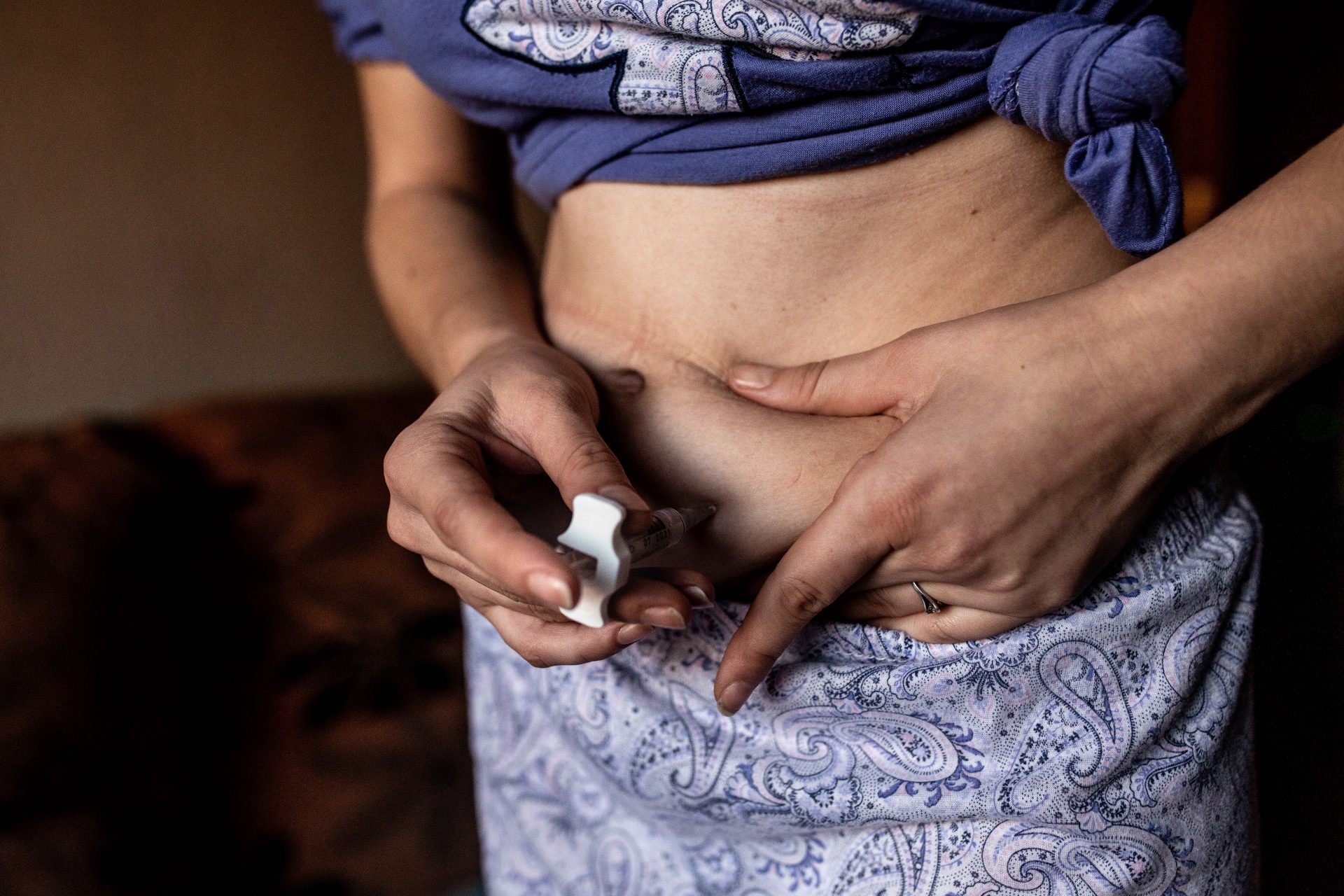
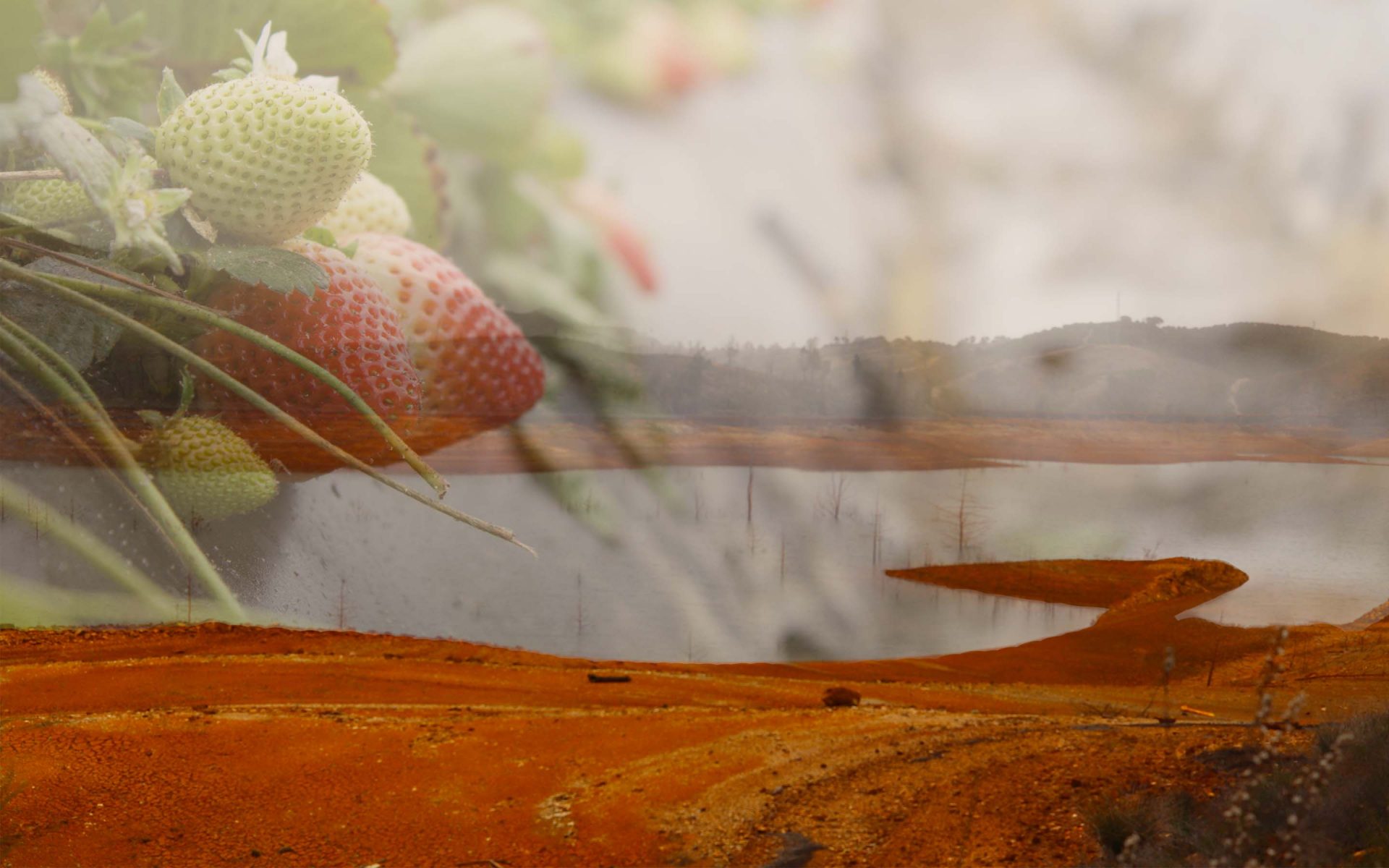
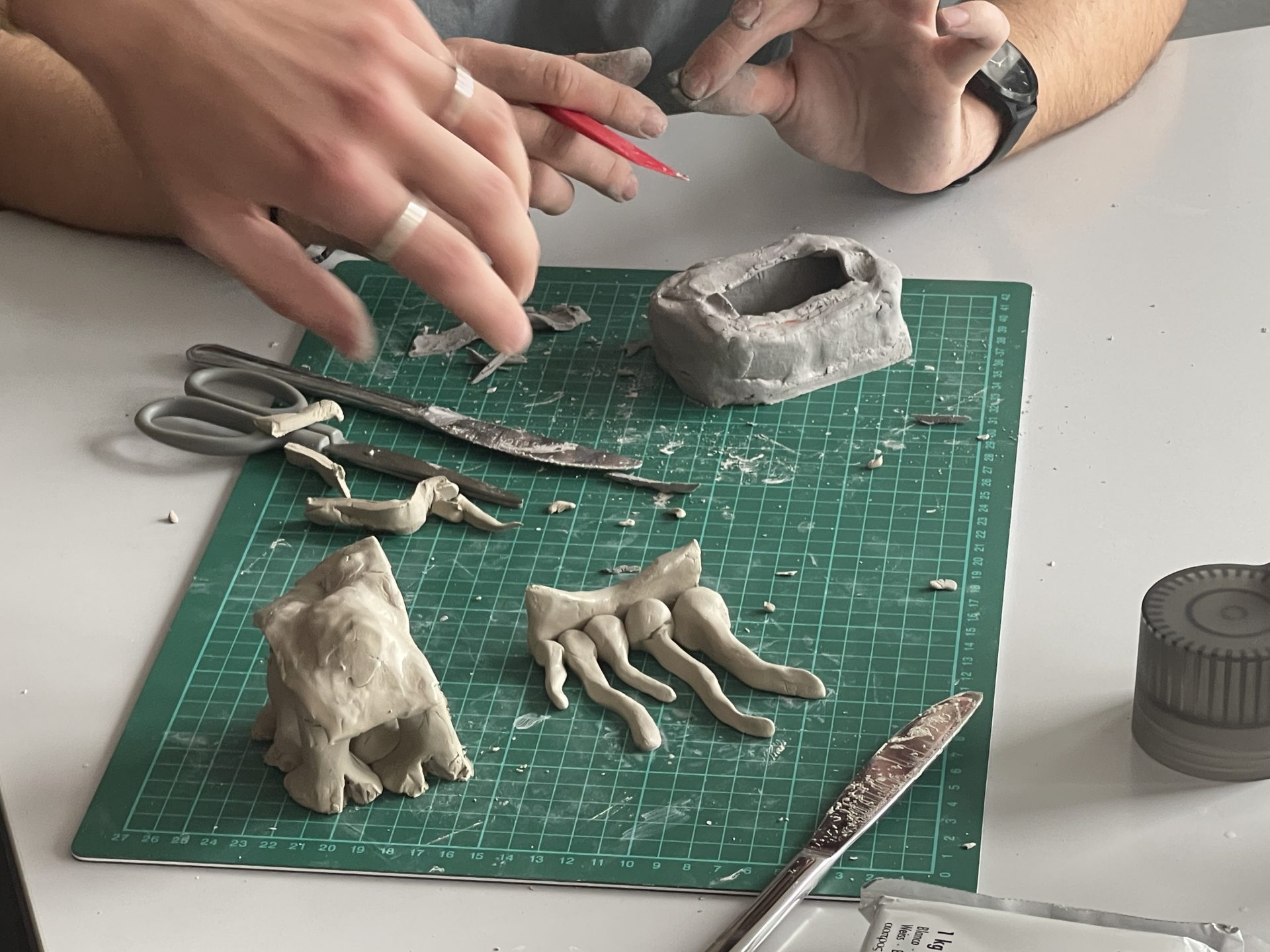

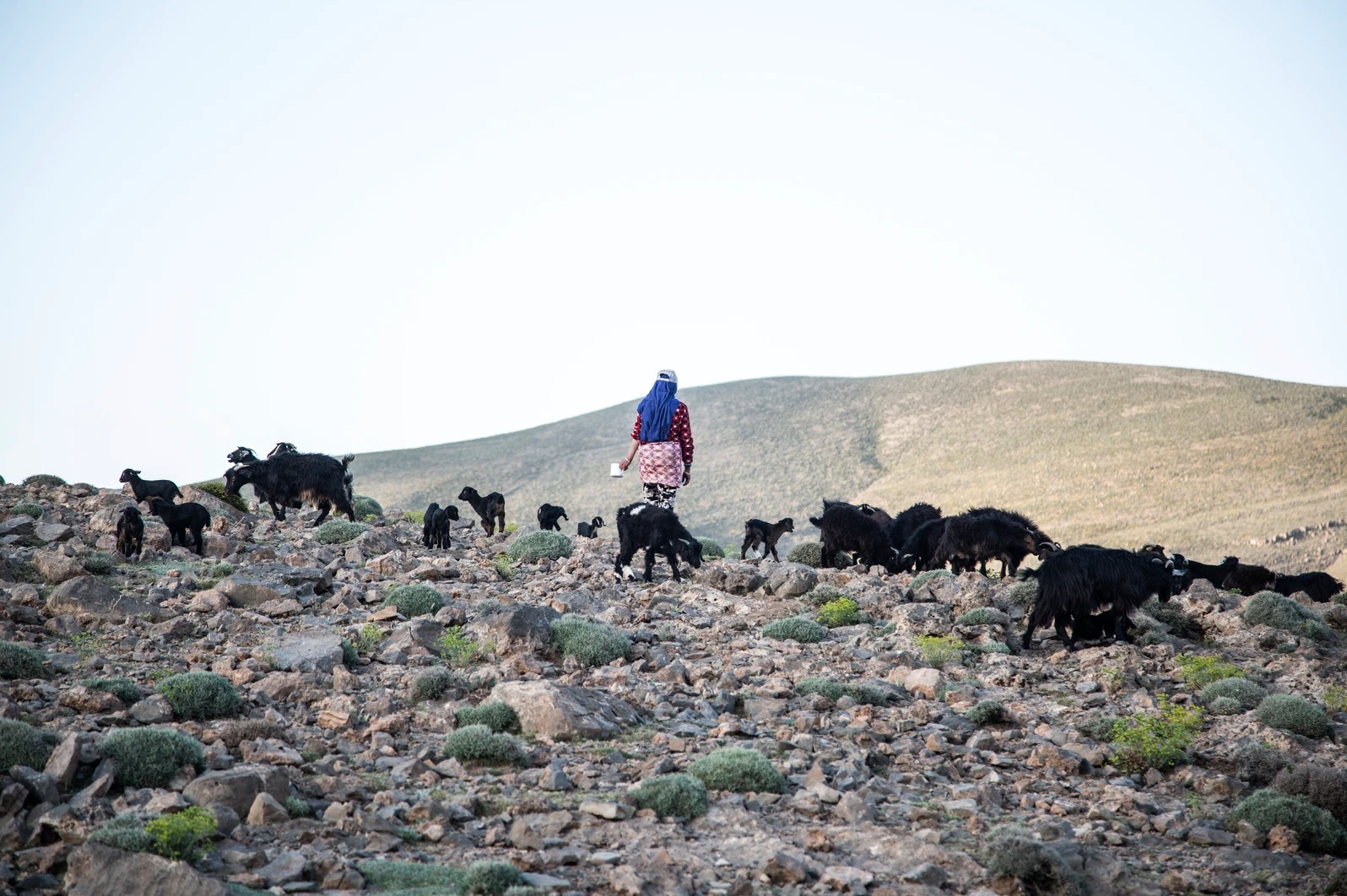


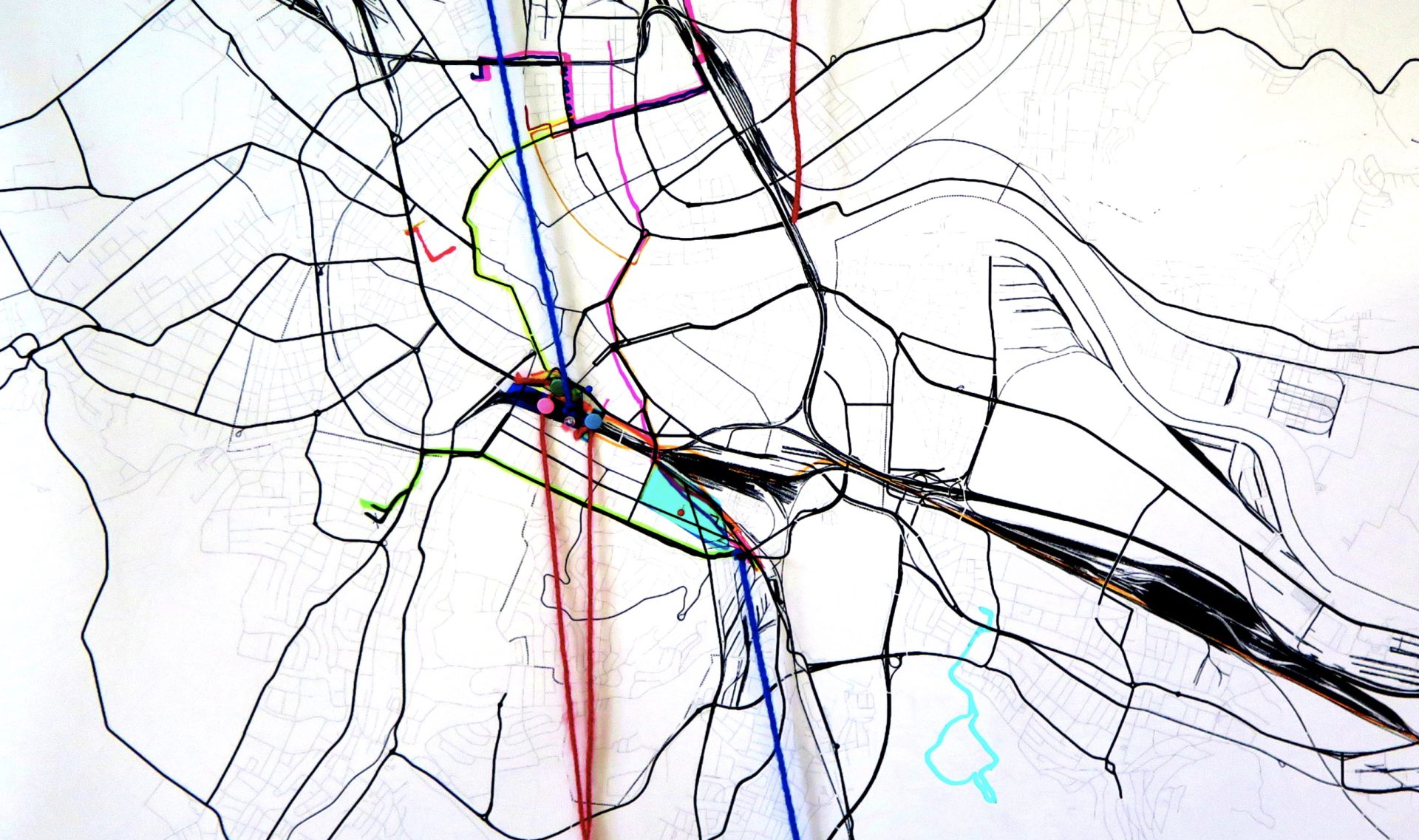
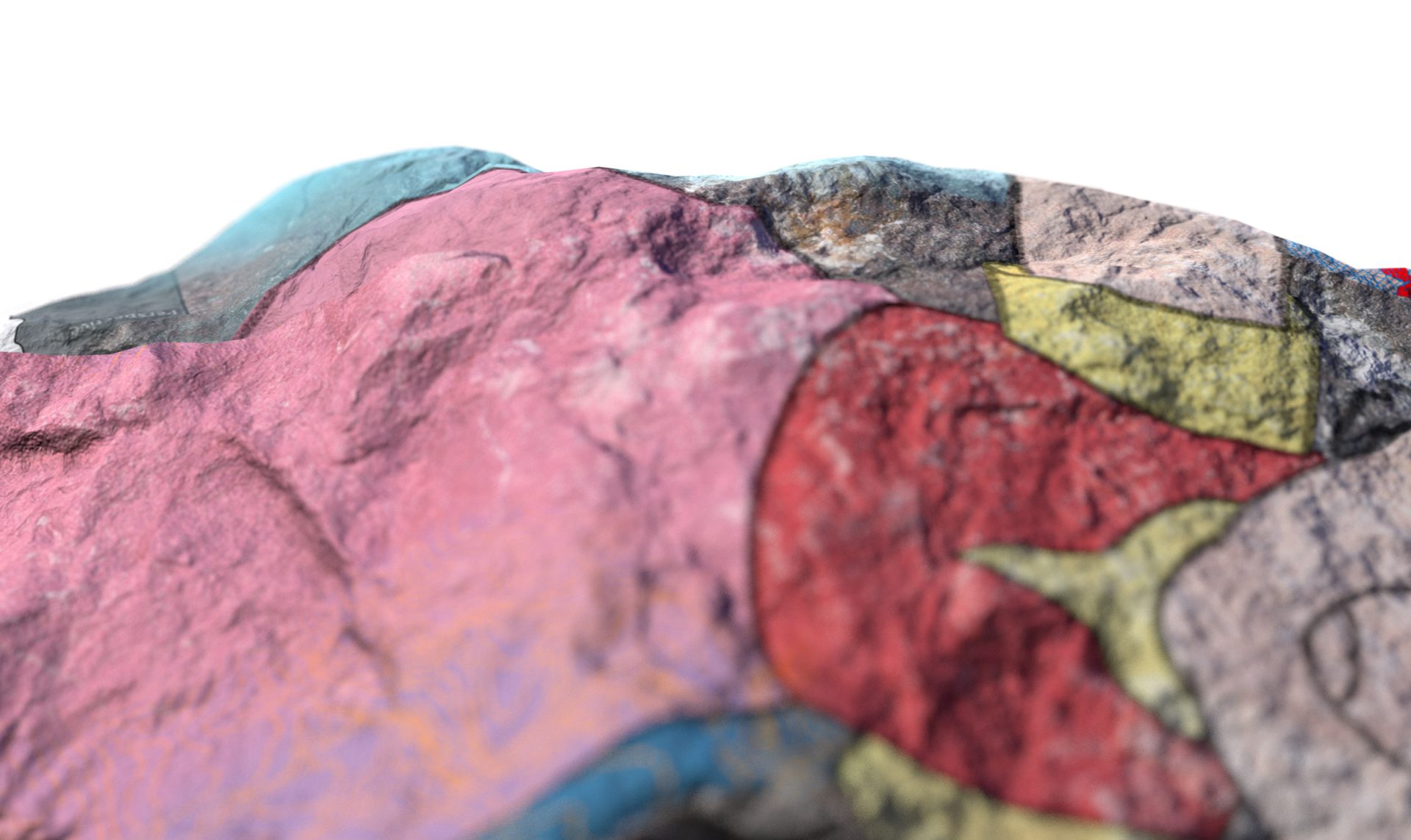
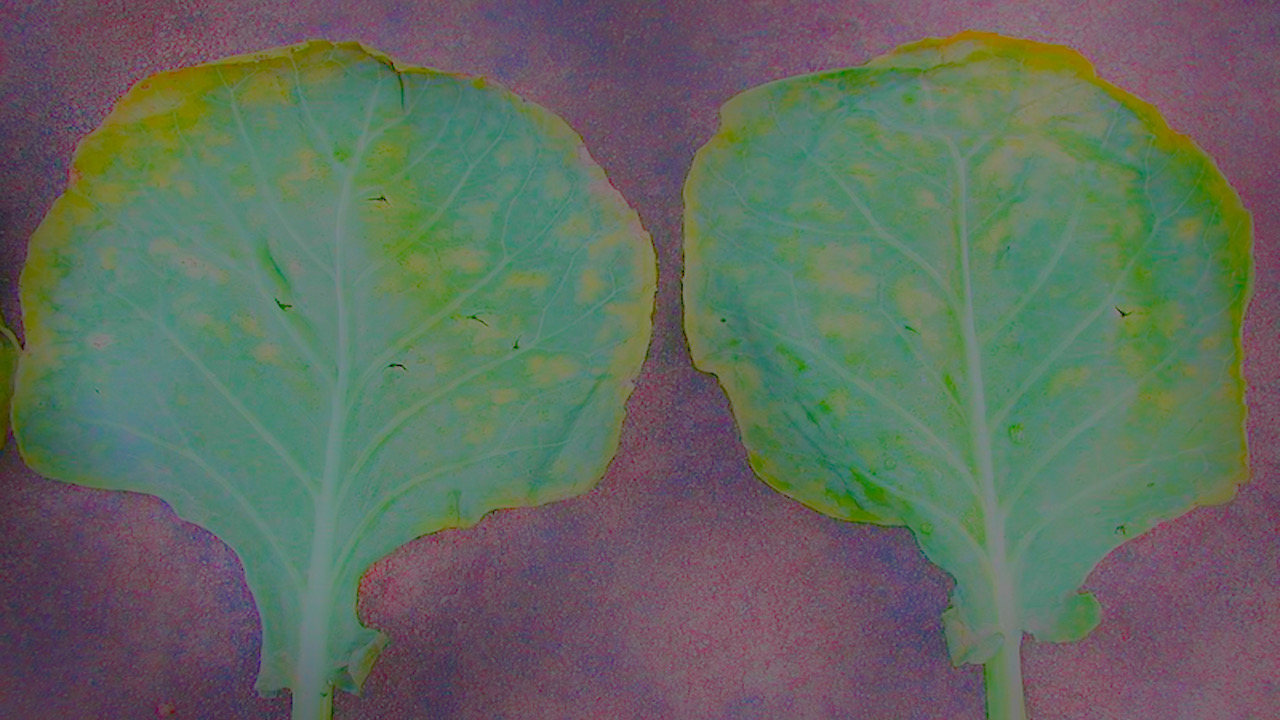

This workshop is conceived as a space for experimentation, exchange, and collective thinking around a central question: Why—and how—do we use arts-based, creative, and multimodal methods in feminist research that seeks to engage with embodied, emotional and intimate lived experiences?
Rather than a traditional academic workshop, we aim to co-create a supportive and generative environment where researchers, students, and practitioners can share work in progress, unfinished ideas, and experimental approaches. We hope to open up space to reflect on the messiness, challenges, and ethical tensions of feminist research, and to explore how creative practices can enable different ways of knowing, feeling, and communicating.
Workshop Programme · 23–24 September 2025
09:30–10:00 · Arrival and welcome coffee · Teeküche
10:00–12:00 · Introduction and tour through the exhibition
Organising Team · University of Bern, Institute of Geography
12:00–13:30 · Lunch
13:30–15:00 · Work-in-progress presentations
Room: Exhibition Workshop room
15:00–15:30 · Coffee break
15:30–18:00 · Hands-on method sessions
Die globale Schwarze Widerstandsbewegung Black Lives Matter (BLM) und die Ermordung von George Floyd haben auch in der Schweiz dazu beigetragen, dass mehr über Rassismus und Dekolonialisierung gesprochen wird. Die Rassismus- und Kolonialkritik, die durch diese Bewegungen politisch aufgegriffen wurde, fokussiert sich aber vor allem auf die Anerkennung und Aufarbeitung der kolonialen Vergangenheit und weniger auf die institutionelle Gegenwart, in der vergeschlechtlichte, migrantisierte und rassialisierte Körper durch die Kontinuität von kolonialen Strukturen, Gewalt, Ausgrenzung und Diskriminierung erleben.
Gleichzeitig ist das Sprechen über Rassismus und Kolonialität eine herausfordernde Realität, die durch spezifische historische, institutionelle und affektive Mechanismen (re)produziert wird. Das «koloniale Unbewusste» (Kilomba 2008) produziert ein Unbehagen, wenn Rassismus benannt wird und strukturelle Veränderungen gefordert werden. Dieses Unbehagen wird als Bedrohung gesehen, die das gegenwärtige liberal-demokratische, humanitäre und internationale Selbstbild der Schweiz destabilisiert.
Der Workshop verknüpft künstlerische, theaterpädagogische, antirassistische und feministische Methoden, um spielerisch zu erproben, wie die Bereitschaft, Unbehagen im Kontext von Rassismus und Kolonialität auszuhalten, gestärkt und als konstitutiver Bestandteil antirassistischer Praxis verstanden werden kann. Der sich derzeit in der Konzeptionsphase befindende Workshop ist von der Kunstintervention «Vereinslokal Utopia» von Christin Glauser inspiriert.
Die Teilnehmenden sind eingeladen, die Idee des Projekts «Antirassistische Stadt» ausgehend von den folgenden Fragen kritisch zu erkunden: Welche antirassistischen Unsicherheiten, Erfahrungen und antirassistischen Praktiken werden sicht- und spürbar, wenn ein Raum eröffnet wird, in dem Menschen zusammenkommen und spielerisch eine antirassistische und dekoloniale Stadt bauen? Welche Möglichkeiten des Sprechens und Handelns im Kontext von Rassismus lassen sich im städtischen Raum erproben?
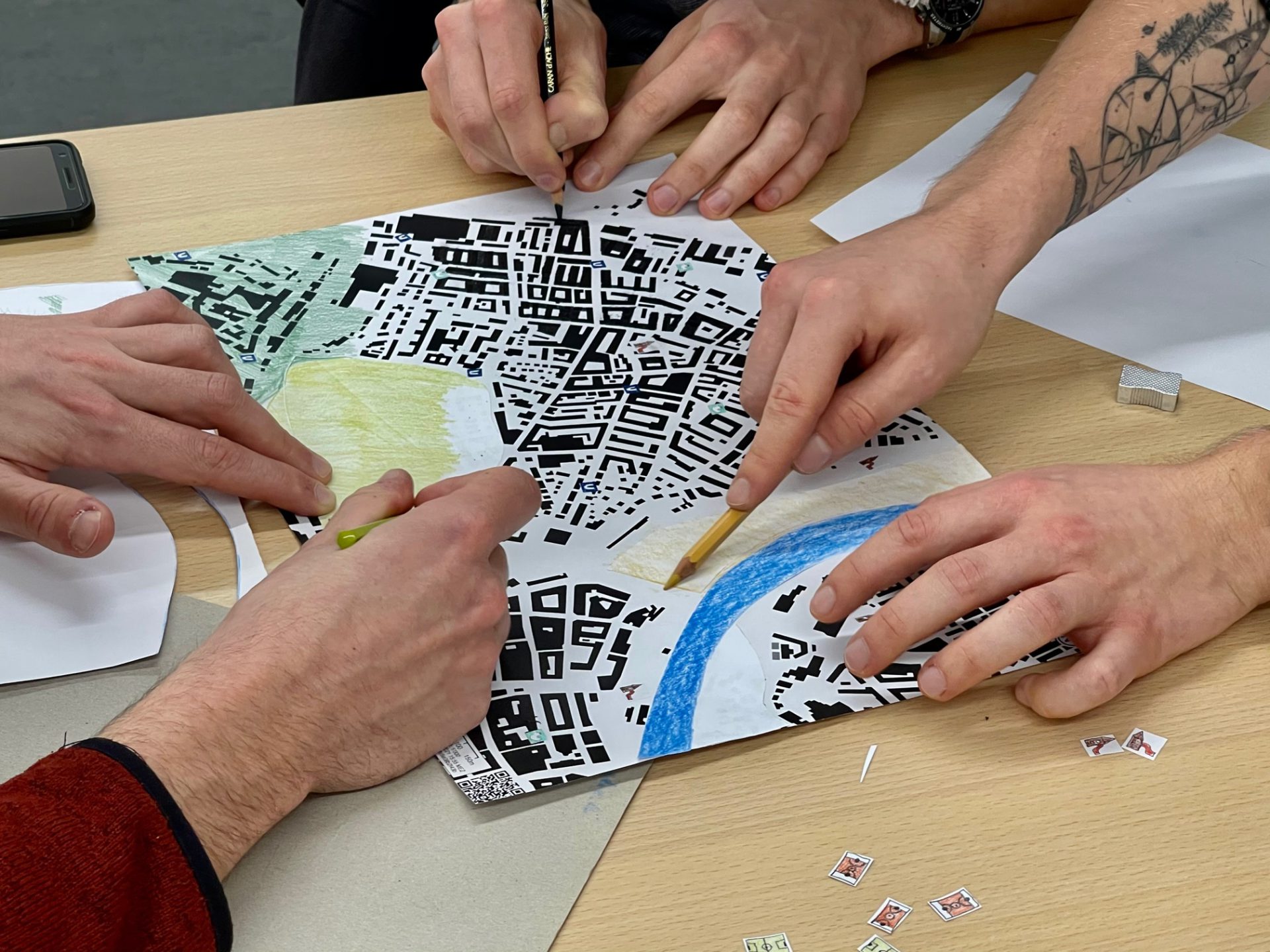
Der Workshop ist in vier Teile gegliedert. Der erste Teil besteht aus einer spielerischen Übung, die die Teilnehmenden zusammenbringt, inhaltlich an das Thema heranführt und eine Basis schafft, um ins Gespräch zu kommen. Der zweite Teil ist eine Diskussionsrunde mit dem Ziel, konkrete, gewünschte Sichtbarmachungen, Veränderungen und Möglichkeiten im städtischen Raum zu sammeln. Diese Ideen und Gedanken dienen als Ausgangslage, um im dritten Teil spielerisch eine antirassistische Zukunftsstadt zu entwickeln und auf einem Spielbrett mit Bauklötzen als abstraktes Modell zu bauen. Der vierte Teil besteht aus einer Feedback- und Diskussionsrunde zu konzeptionellen, methodischen, ethischen und gesellschaftspolitischen Aspekten des interdisziplinären Projekts.
This workshop introduces Deep Listening, a compositional and perceptual practice developed by composer Pauline Oliveros, as a feminist arts-based research method for establishing embodied, affective relationships with non-human entities and places.
Drawing on recent practice-based research conducted along the rivers Birs and Rhine in Basel, the workshop examines how attentive, somatic listening can serve as a methodological entry point into ecological and more-than-human inquiry. Deep Listening moves beyond passive auditory reception toward full-body, multidimensional attentiveness that encompasses sound, silence, duration, and environment. Within feminist research methodologies, this practice resonates with frameworks that privilege situated knowledge and relational epistemologies. Listening to a river, a landscape, a non-human other becomes an ethical act: a refusal of extractive knowledge production and an invitation to interdependence.
Participants will be guided through structured listening exercises in indoor and outdoor settings, engaging with the sonic environment of Bern as a relational field. Through collective reflection we will explore how Deep Listening can function as a feminist research tool, making perceptible what is often rendered invisible or inaudible within dominant knowledge systems.
The workshop contributes to current debates in feminist new materialism and arts-based research by proposing listening not merely as an object of study, but as a mode of knowing, relating, and being with the more-than-human world.
The workshop will take 2 hours and includes both deep listening exercises and writing exercises. Participants will receive a little self-made zine to take home with them.
18:00 · Apéro · Exhibition
09:00–10:30 · Work-in-progress presentations
Room: Exhibition Workshop room
10:30–11:00 · Coffee break
11:00–13:00 · Hands-on method sessions
This proposal addresses a question that has emerged from my research and pedagogical practice: How can we recognise bodies as generators of ideas, relationships, and knowledge useful for analysis? Despite the growing attention paid to the politics of bodies and their centrality in research, particularly in fields engaged in resistance to systems of oppression (feminist studies, gender studies, decolonial studies, subaltern studies), the researcher’s body is, at best, denied and, at worst, sacrificed in the name of objectivity or efficiency. Yet emerging approaches invite us to take seriously the body’s sensations, emotions, limits, and epistemic potential.
If the body’s heuristic potential is not simply a matter of individual sensitivity but belongs to an epistemology that can only be carried collectively, how might we create spaces to explore what this means in practice? Developed in collaboration with Soufiane Guerraoui (theatre actor, director, and performer), this immersive workshop builds on several residential PhD workshops on embodied epistemologies. Rather than approaching the body once again on a purely intellectual level, participants engage in a series of improvisation and body-theatre exercises that explore movement, sensory perception, emotions, speech and silence, play, and interaction. Through individual and collective experimentation, participants are invited to experience how embodied attention can contribute to the formulation of thought, the emergence of ideas, and transformed ways of relating to others and to research questions.
Game designer Carina Erdmann asks: «Even if we can theorize a form of commons, how would we emotionally ready ourselves for it?» Her response is a collective practice she calls prefigurative play: a way of finding embodied, emotional ways of engaging with social questions by anticipating them within an artistically framed space. We adapt this practice by taking the body itself as its starting point: as a tool for emotionally preparing for processes of commoning. In doing so, it takes seriously a demand emerging from diverse feminist practices for a form of knowledge grounded not in distance and supposed neutrality, but in lived experience—knowledge that is situated, embodied, and generated through one’s own body.
This is where our workshop comes in: embodied knowledge is translated into language and forms the foundation for collectively building a world. To this end, everyone is invited to write down a brief experience of their own body and bring it with them (a detailed writing prompt for all workshop participants will be provided in advance). Using a set of game and narrative rules, we’ll create a landscape from these texts during the workshop – a communal body of a protagonist generated from embodied experience – through which we’ll then collectively dive into a process of worlding. The workshop concludes with reflection and a shared exchange of experiences that contextualizes questions and offers a (critical) examination of the possibilities of such game-based arrangements.
Participation: You should be willing to write a short, personal text in advance and share it during the workshop. An enthusiasm for storytelling and collective imagination is helpful.
How can intimate, embodied and emotional forms of knowledge be embedded in research infrastructures rather than remaining isolated moments of data collection? This workshop explores how feminist mixed-methods can inform the design of Recursive Living Labs. Recursive Living Labs are university-embedded infrastructures for participation, stakeholder engagement and collective learning that extend beyond the focus of many living labs: technical testing, linear innovation cycles and one-off citizen science activities. They offer opportunities to connect diverse forms of knowledge through iterative processes of reflection, adaptation and co-production, while supporting long-term relationships between researchers, students, communities and other stakeholders.
The two-hour workshop addresses a central challenge for feminist and arts-based research: how to sustain and integrate situated, affective and relational forms of knowledge within ongoing research processes. Participants will begin with a mapping exercise focused on their own research projects, identifying emotional, embodied and relational dimensions that often disappear when knowledge is translated into research outputs, digital systems or governance structures. Building on these reflections, participants will work with a simplified Recursive Living Lab canvas to explore how such knowledges might be embedded within longer-term research infrastructures.
Through guided discussion and collaborative critique, participants will explore how recursive processes of participation, learning and governance might be embedded within their projects, while identifying critical safeguards related to ethics, care, power, and accountability. Particular attention will be given to ethics-by-design approaches, including questions of ongoing consent, transparency, stewardship and human digital oversight.
13:00–14:30 · Lunch (self-organised)
14:30–17:00 · Hands-on method sessions
Textile practices have long been spaces for storytelling, care, resistance and community-building. This workshop explores how these practices might also function as qualitative research methods. Through collective making, discussion and methodological reflection, participants will experiment with textile storyboarding and consider how textiles can support ethical, participant-led research with communities who have experienced displacement and trauma. Feedback from the workshop will inform the design of an EU-funded research project at the University of Bern.
17:00–17:30 · Closing Remarks
University of Bern, Institute of Geography
from 17:30 · Get Together and dinner (optional) · Sous le Pont, Reitschule
Supported by
This workshop is made possible through the generous support of the following institutions. We warmly thank them for their contribution.


About
Our aim is to make new media, art and digital technologies an integral part of research activities and develop unorthodox coalitions of aesthetics and geography. Besides making research results visible to different publics, the mLAB focuses on creating sensorial routes of knowledge production.
Mirko Winkel
Carolin Schurr,
Susan Thieme
Design:
Studio Yukiko
Programming:
web3000