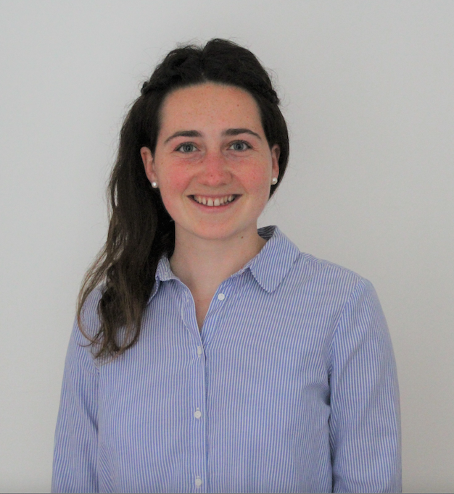
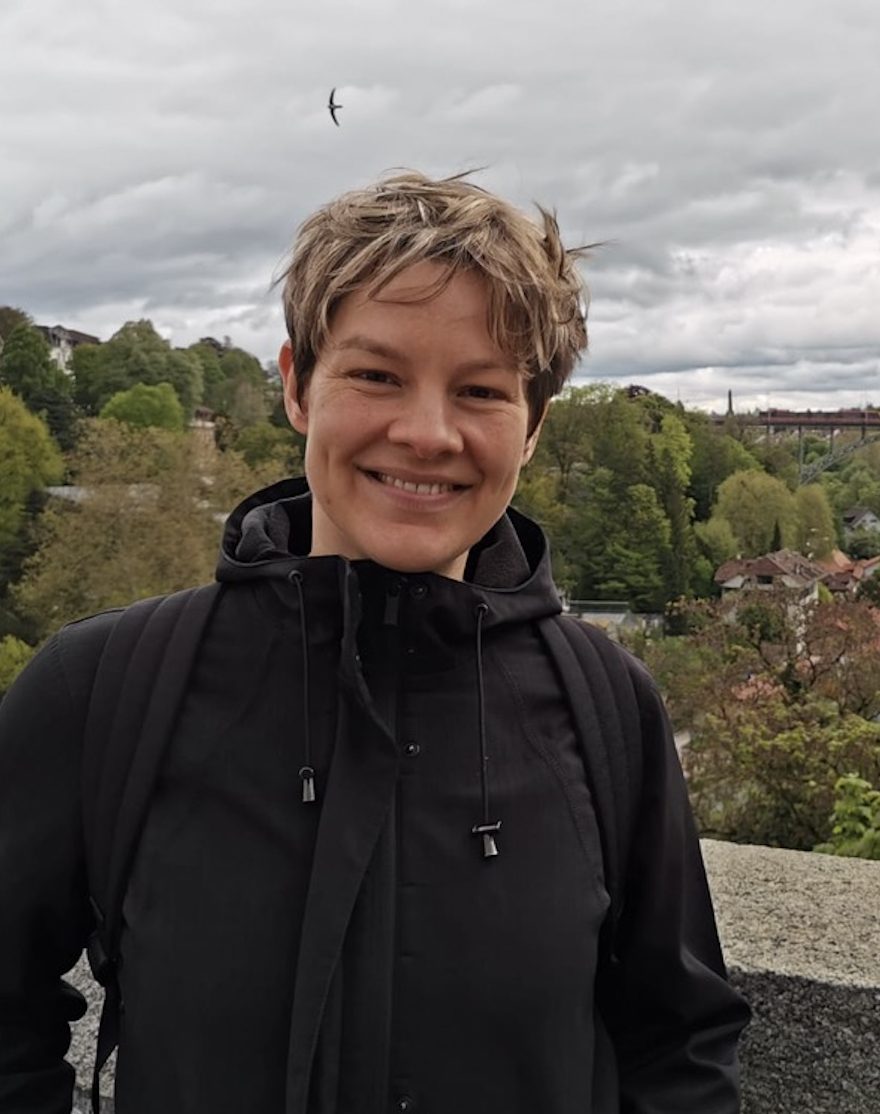
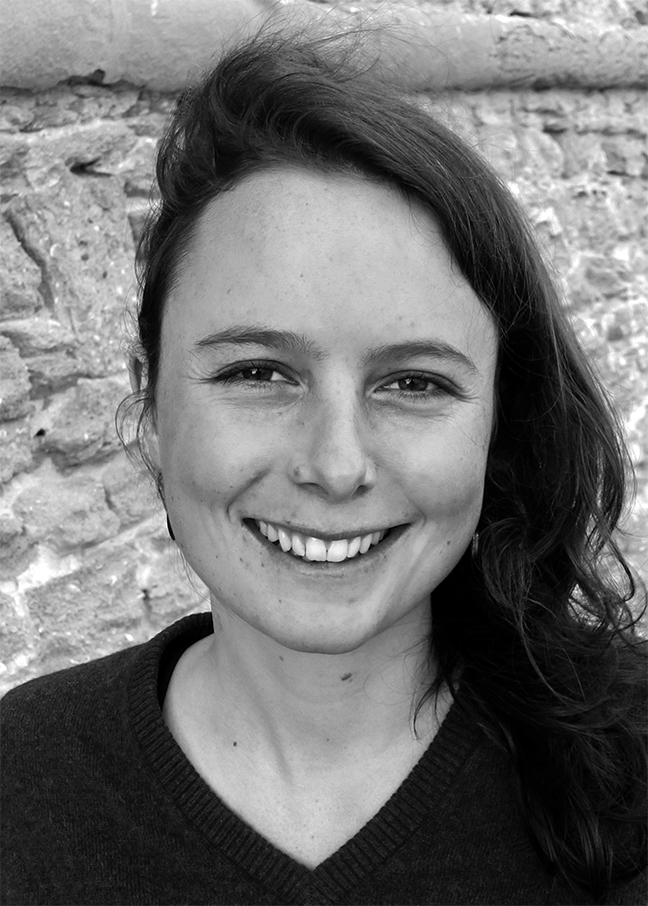
Jeannine Wintzer










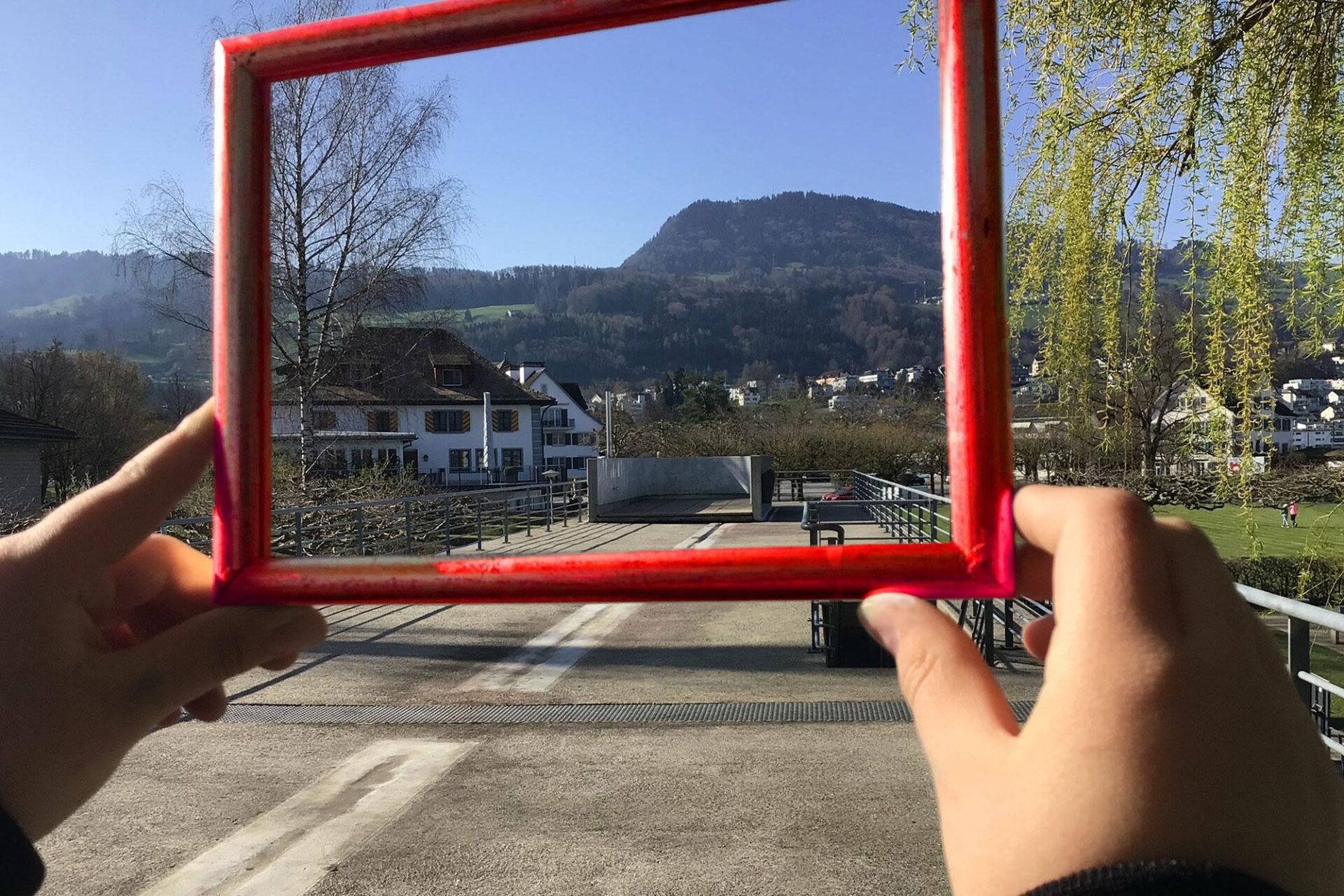

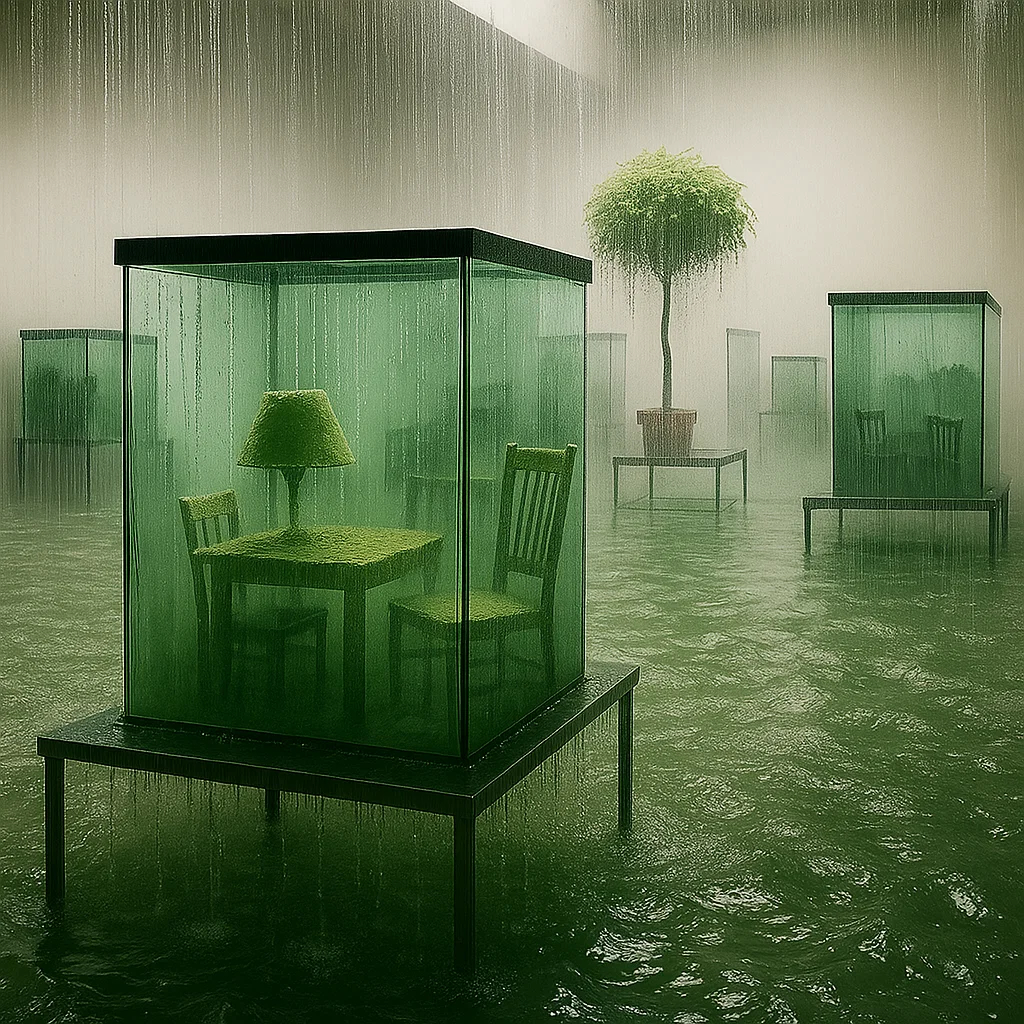
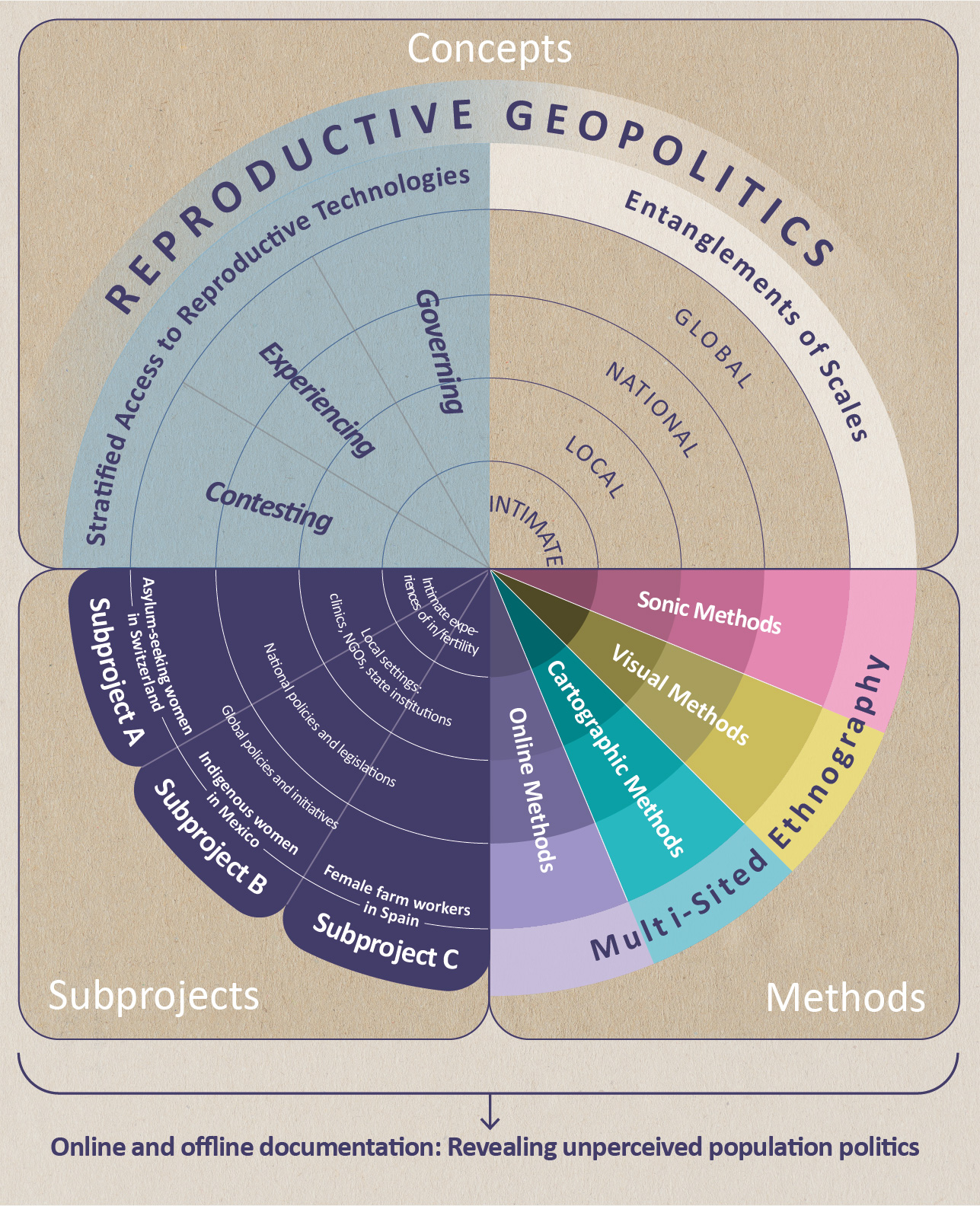
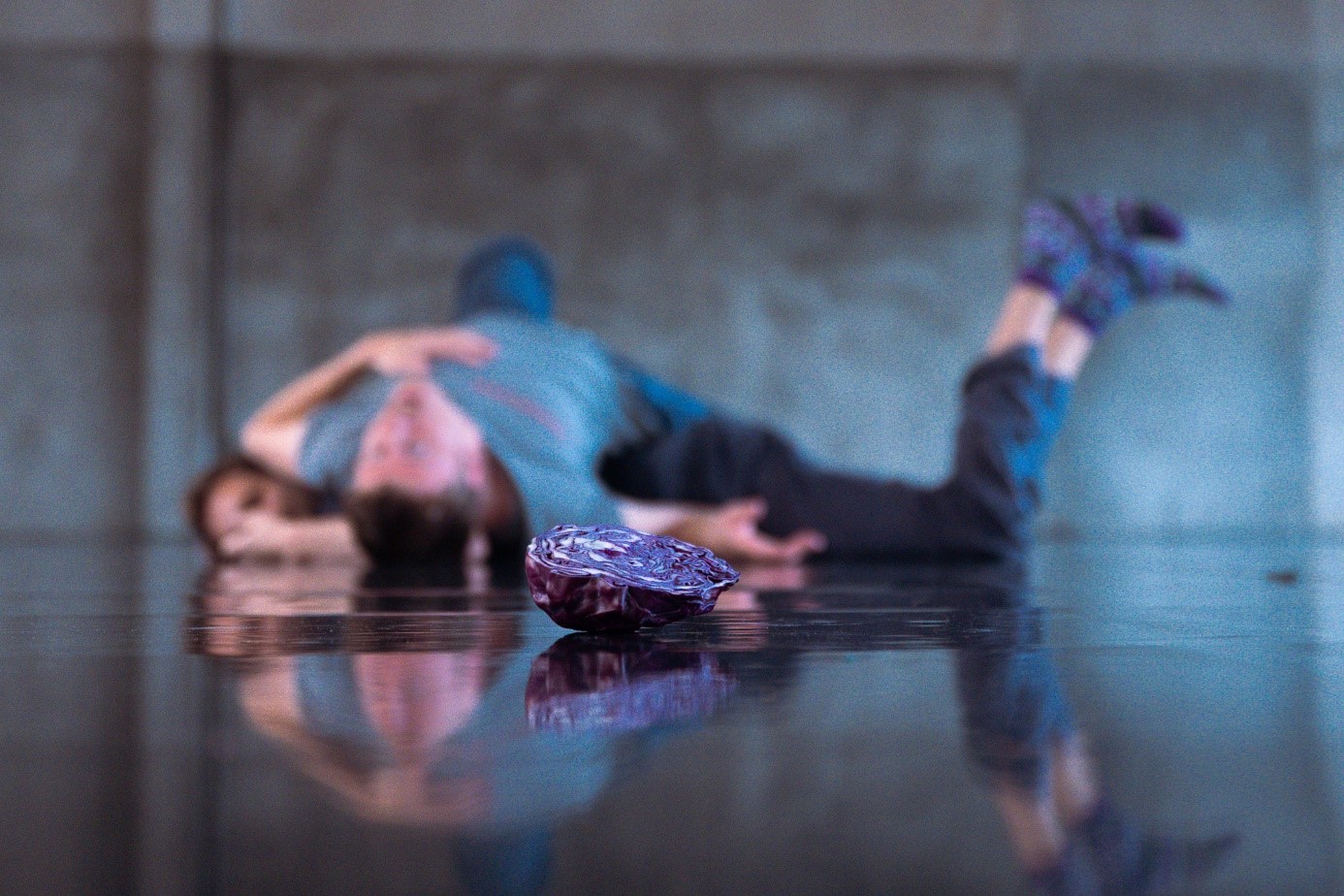
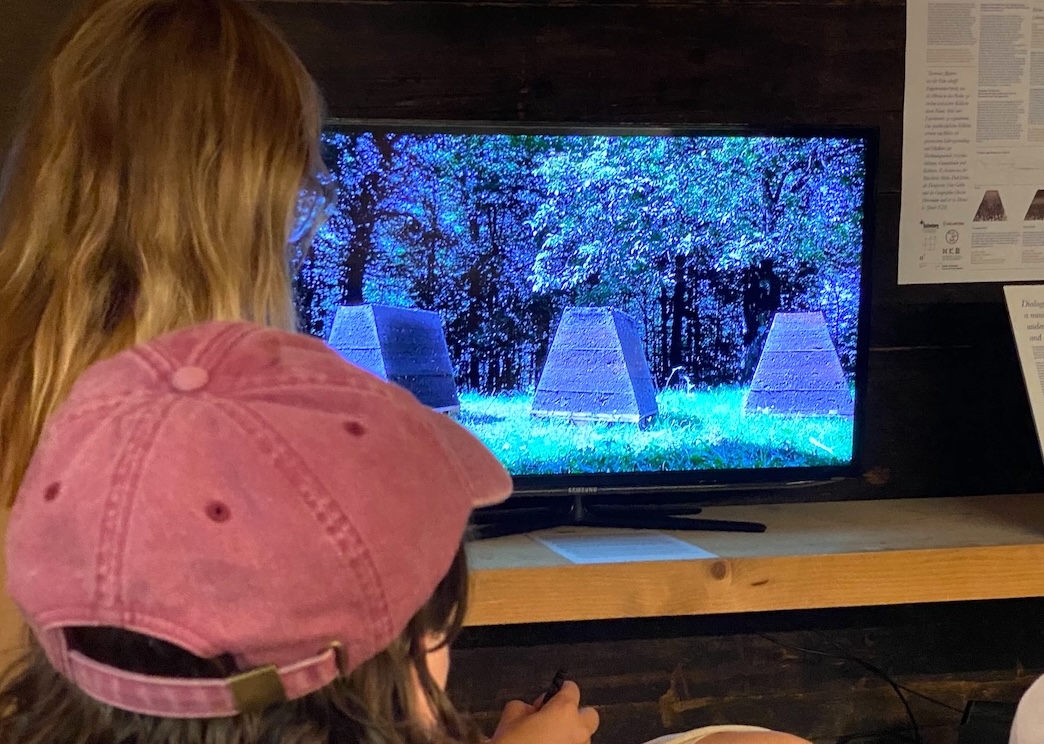

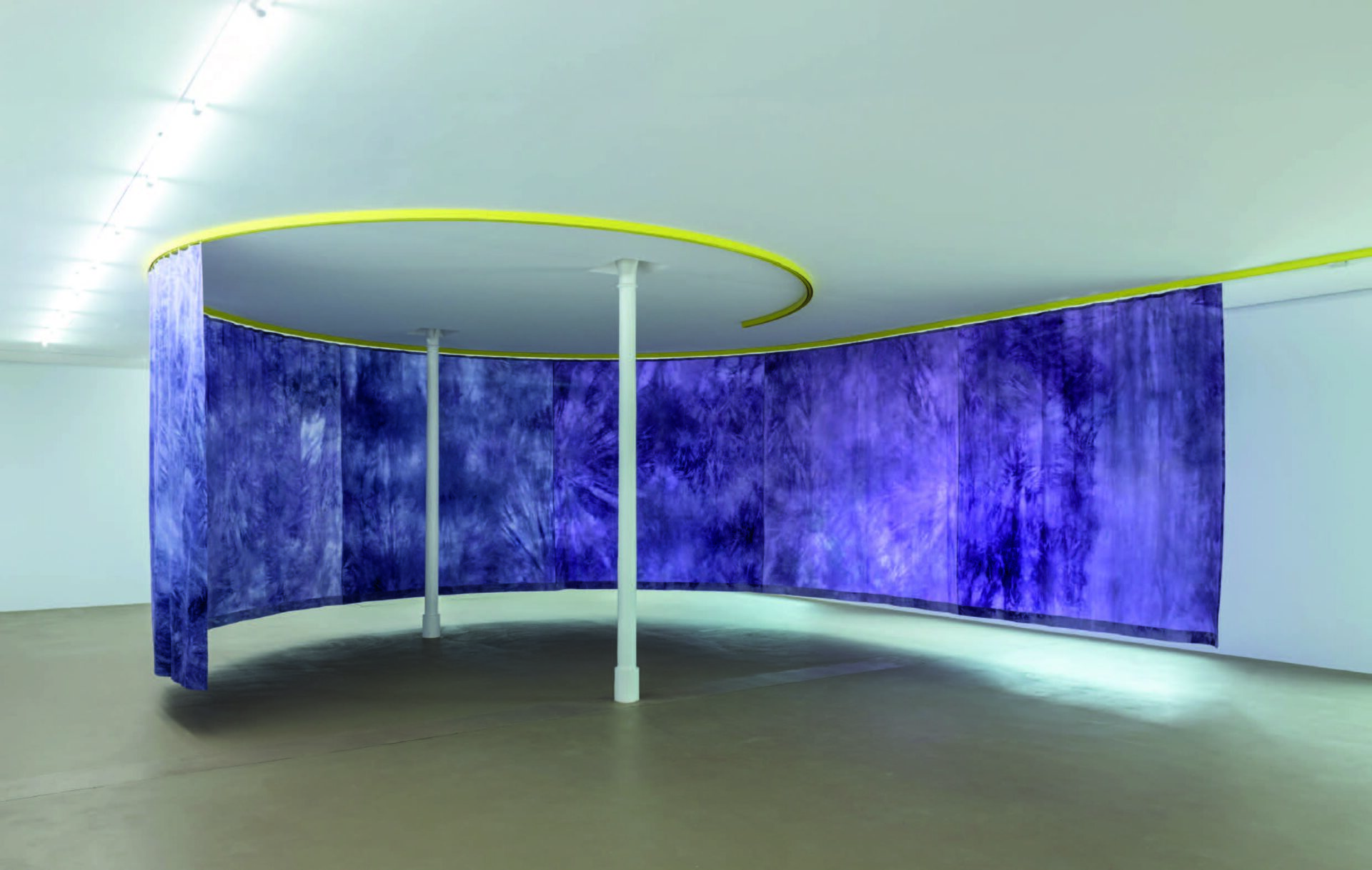

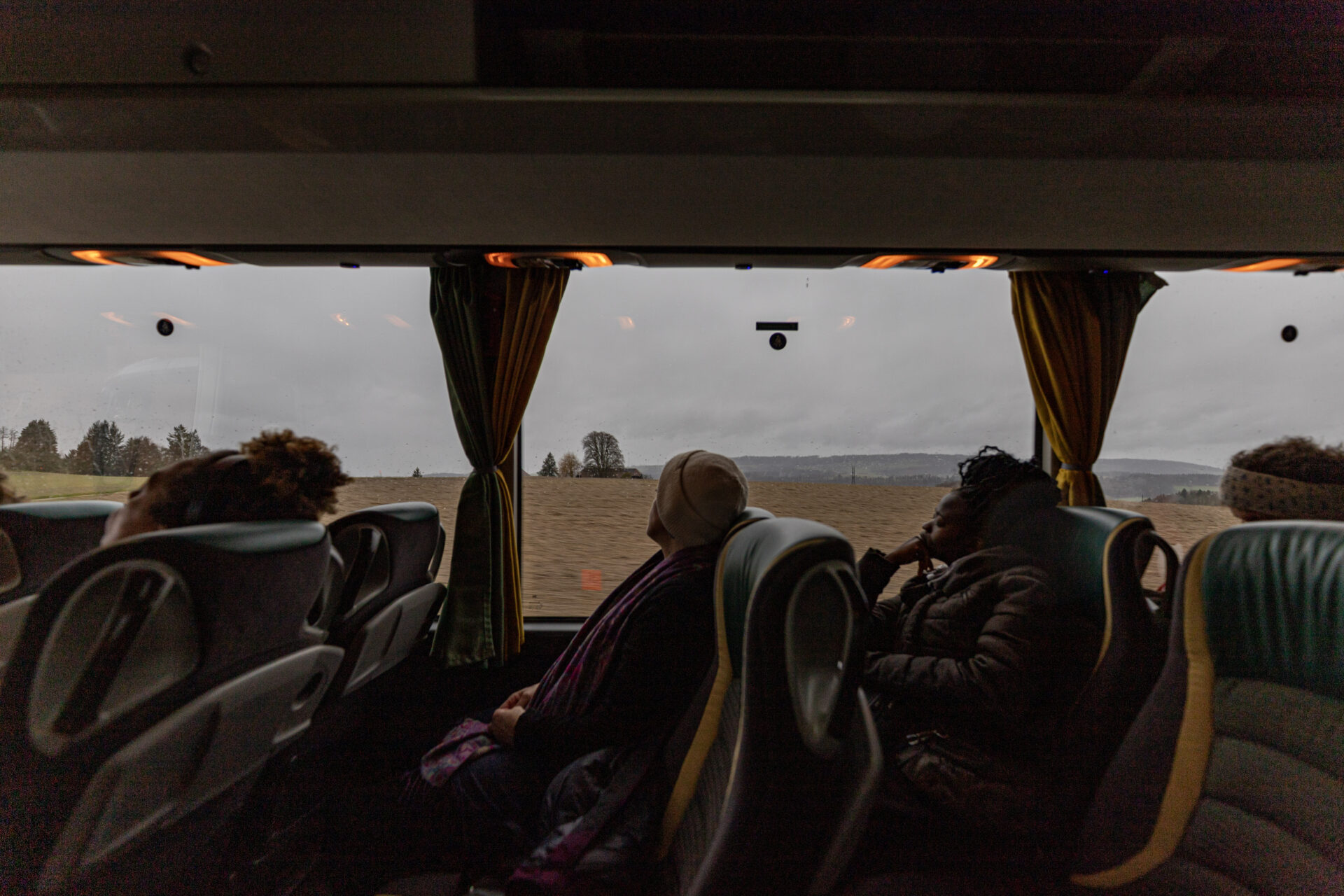
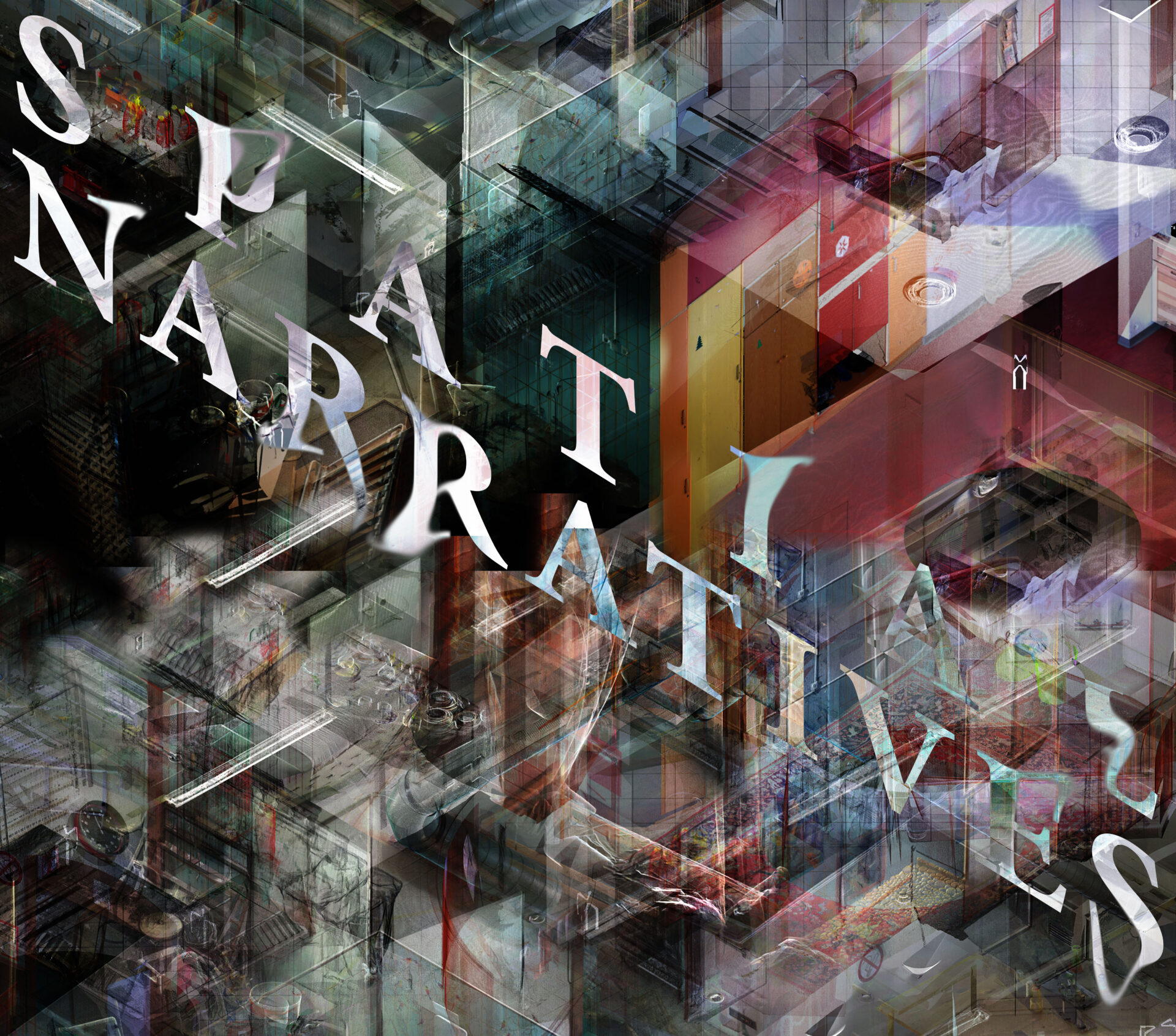
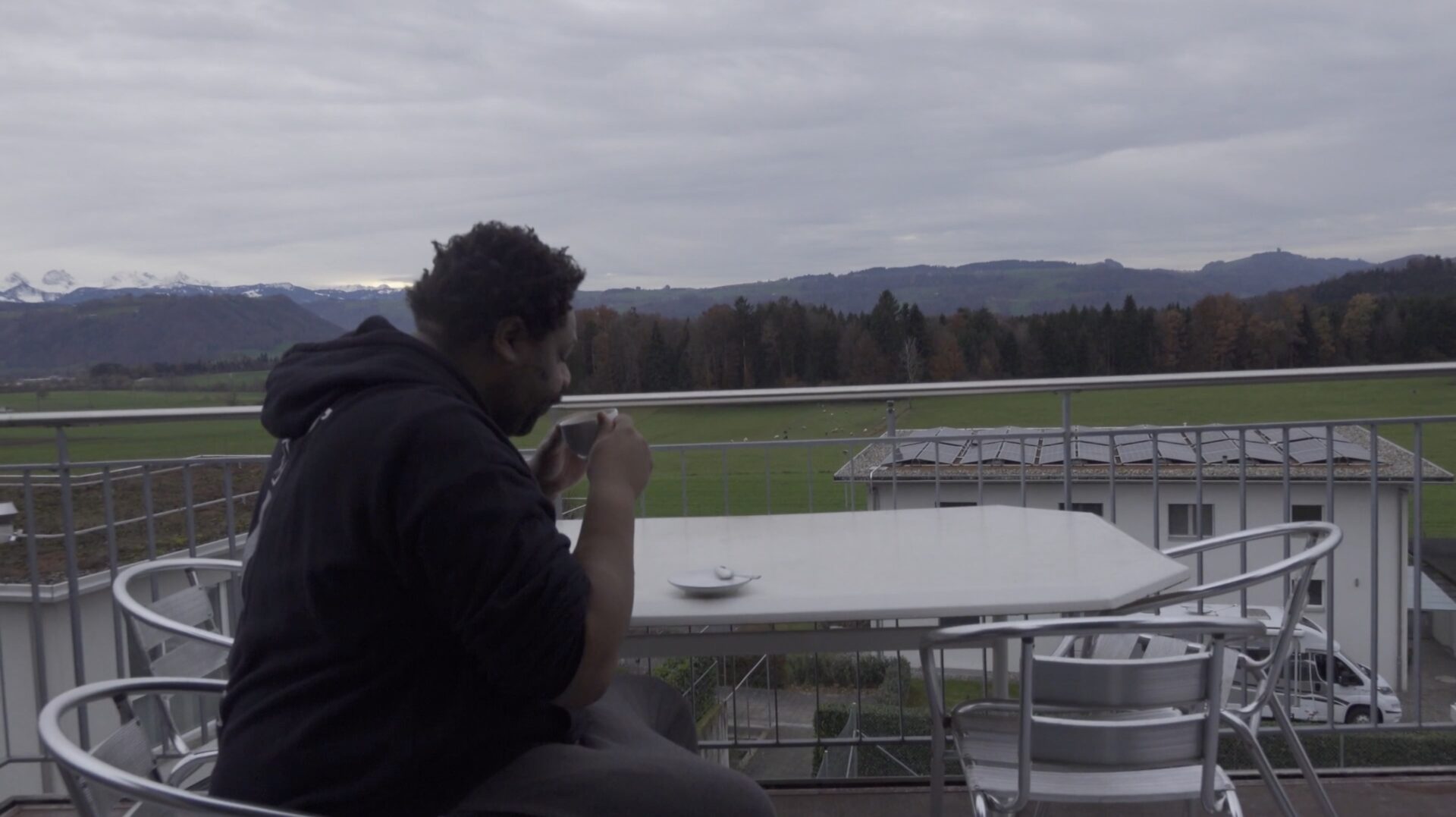
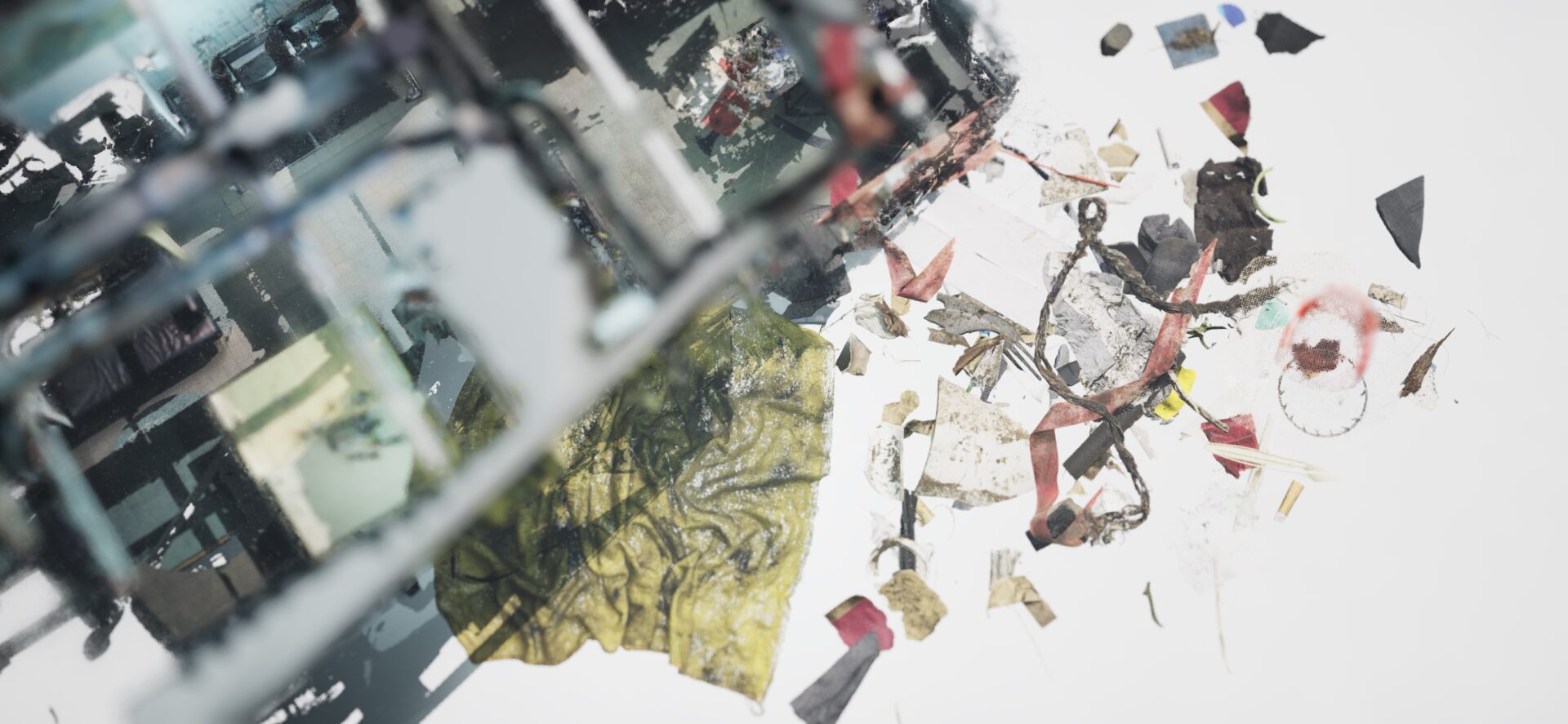



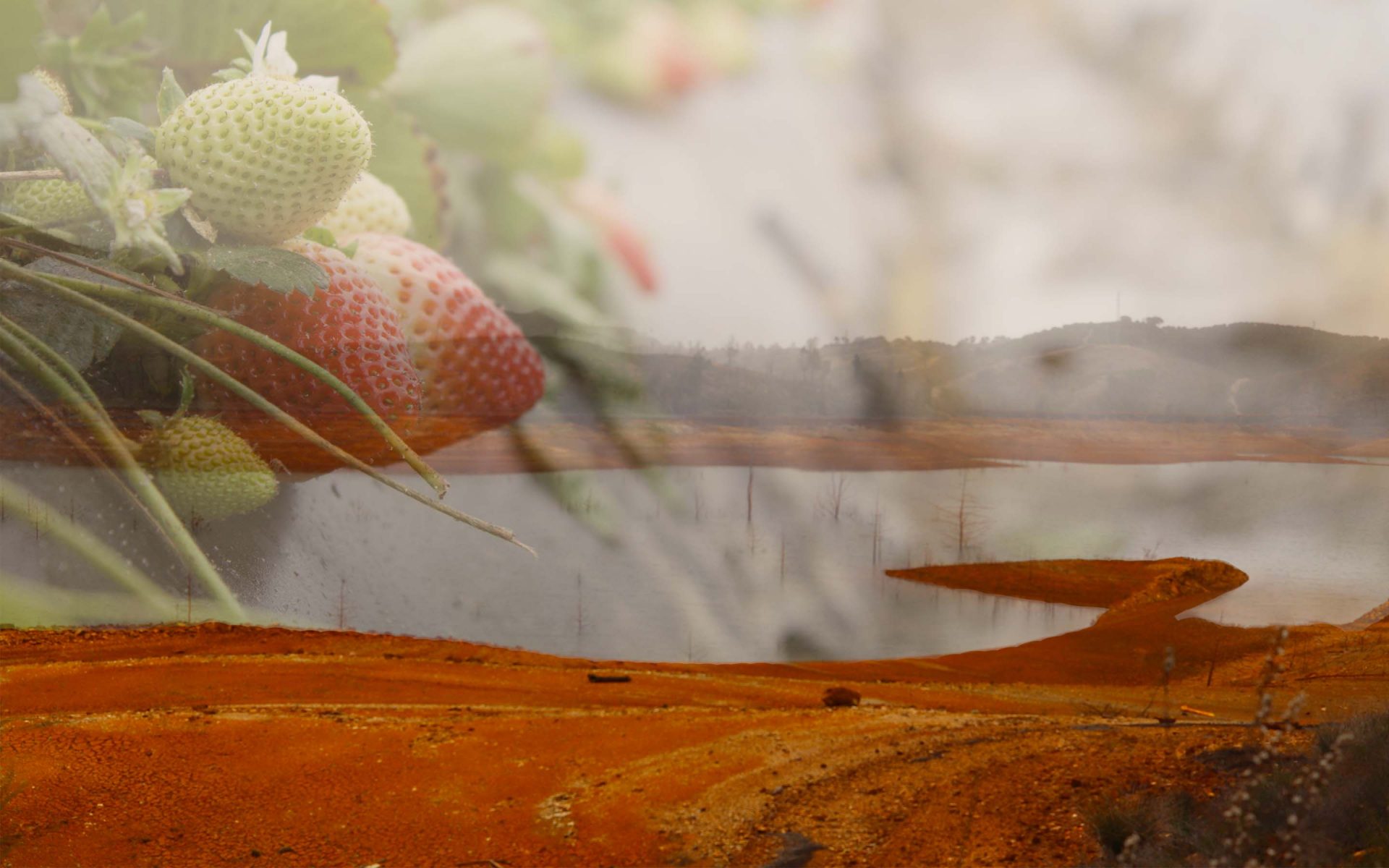
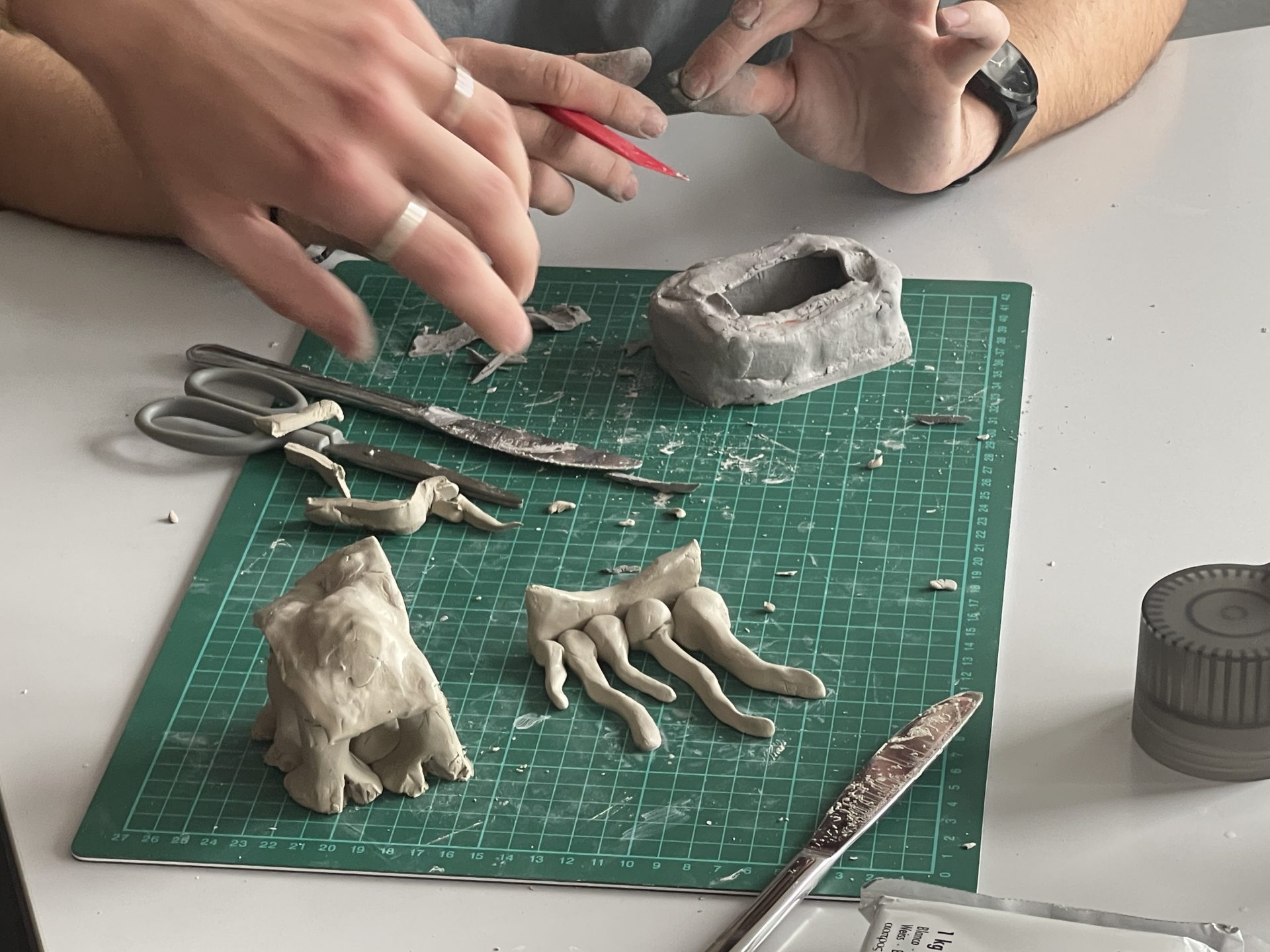


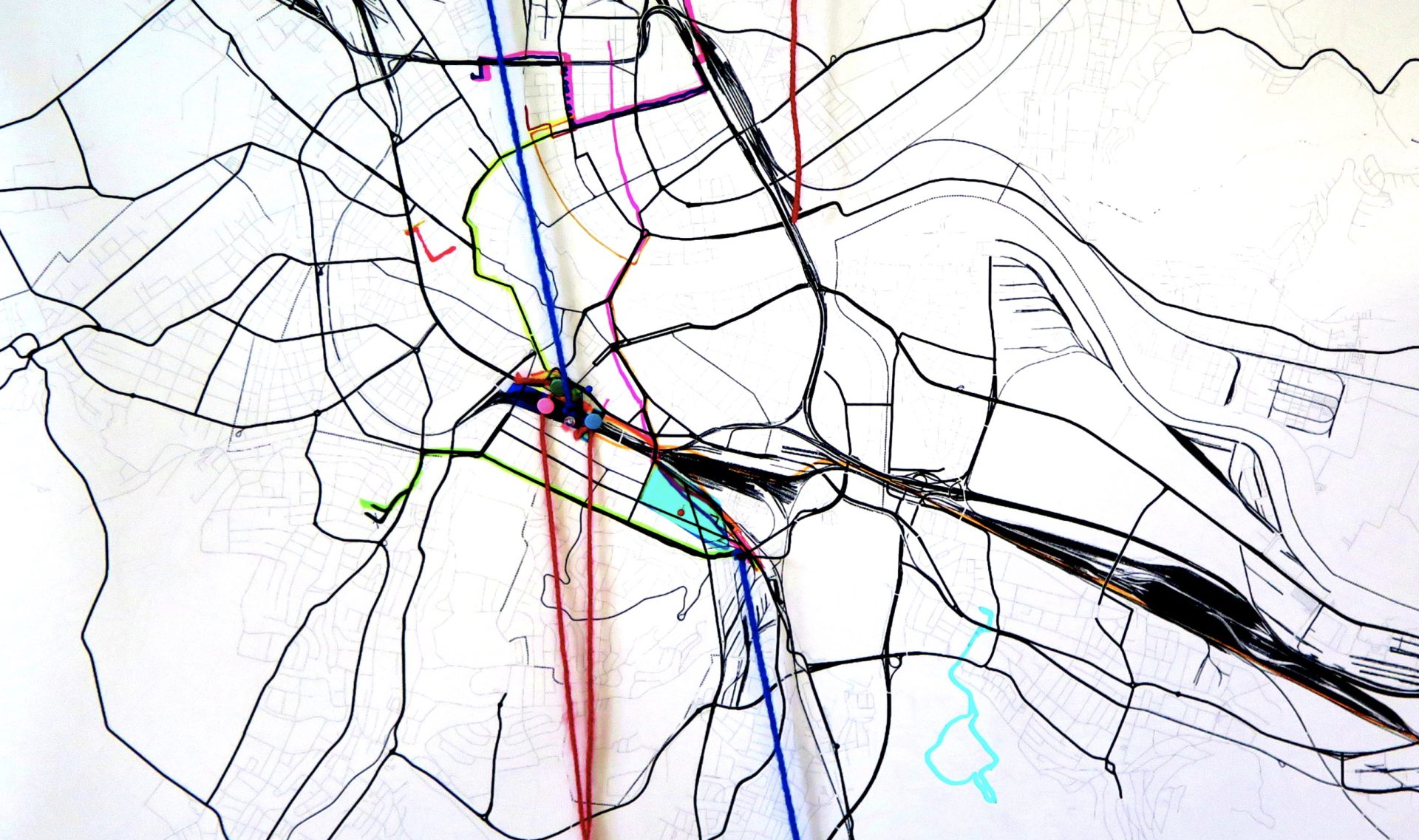
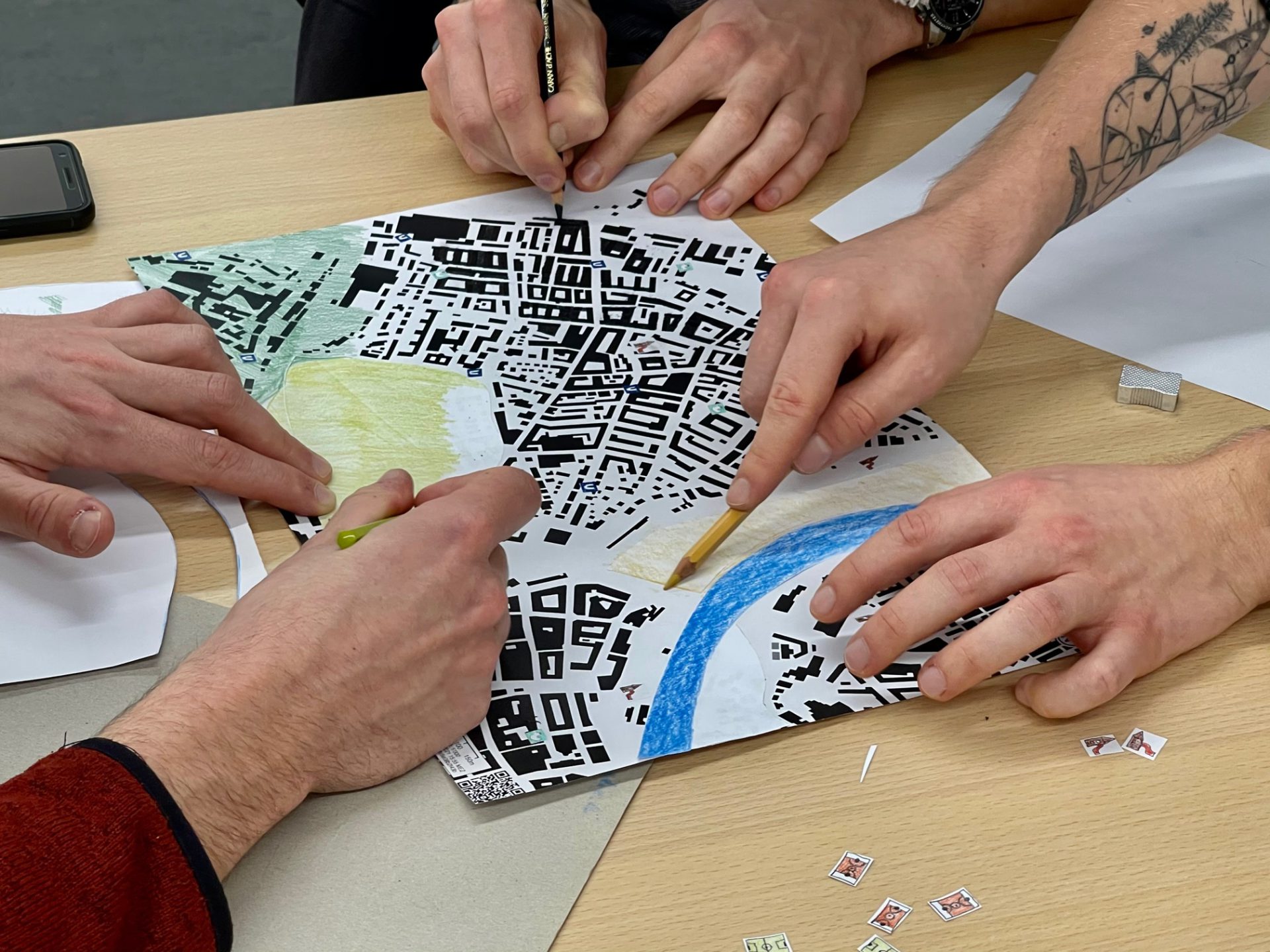
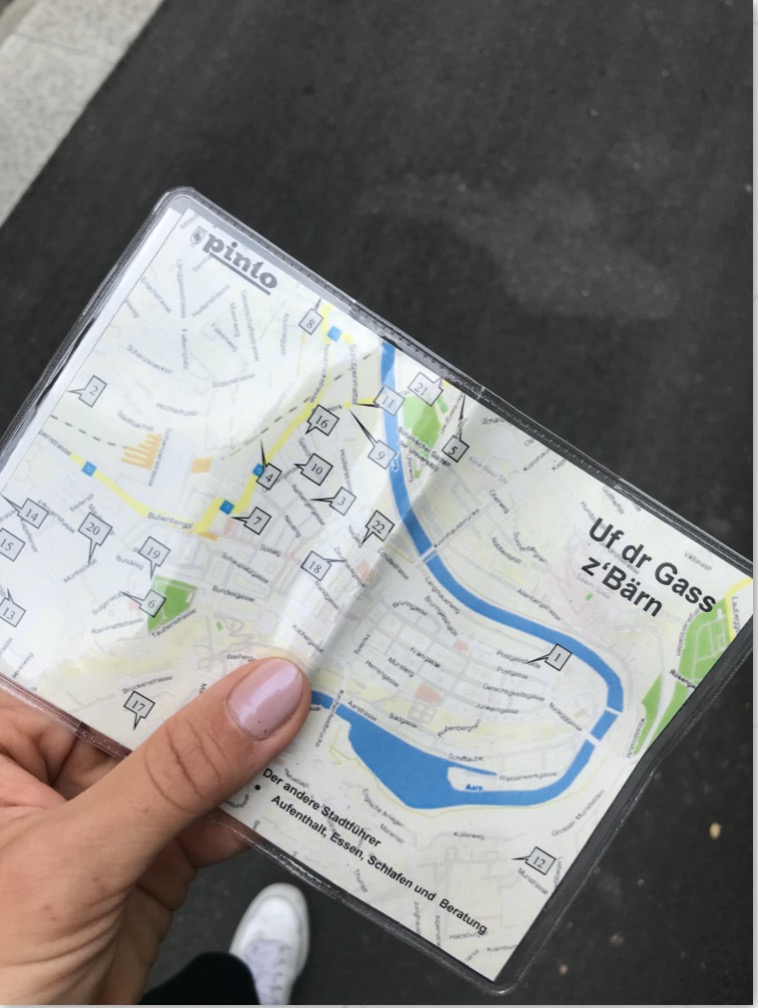
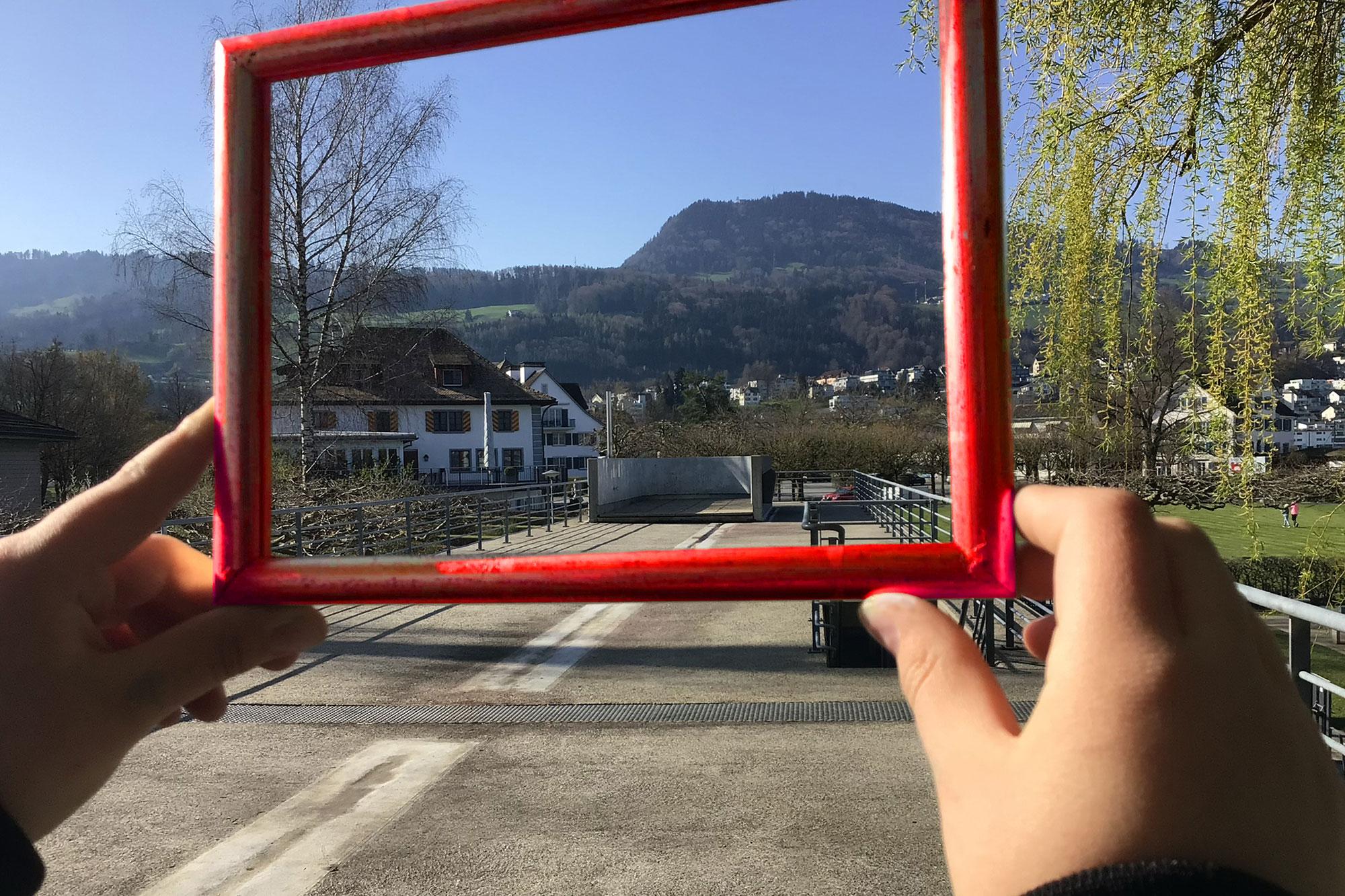
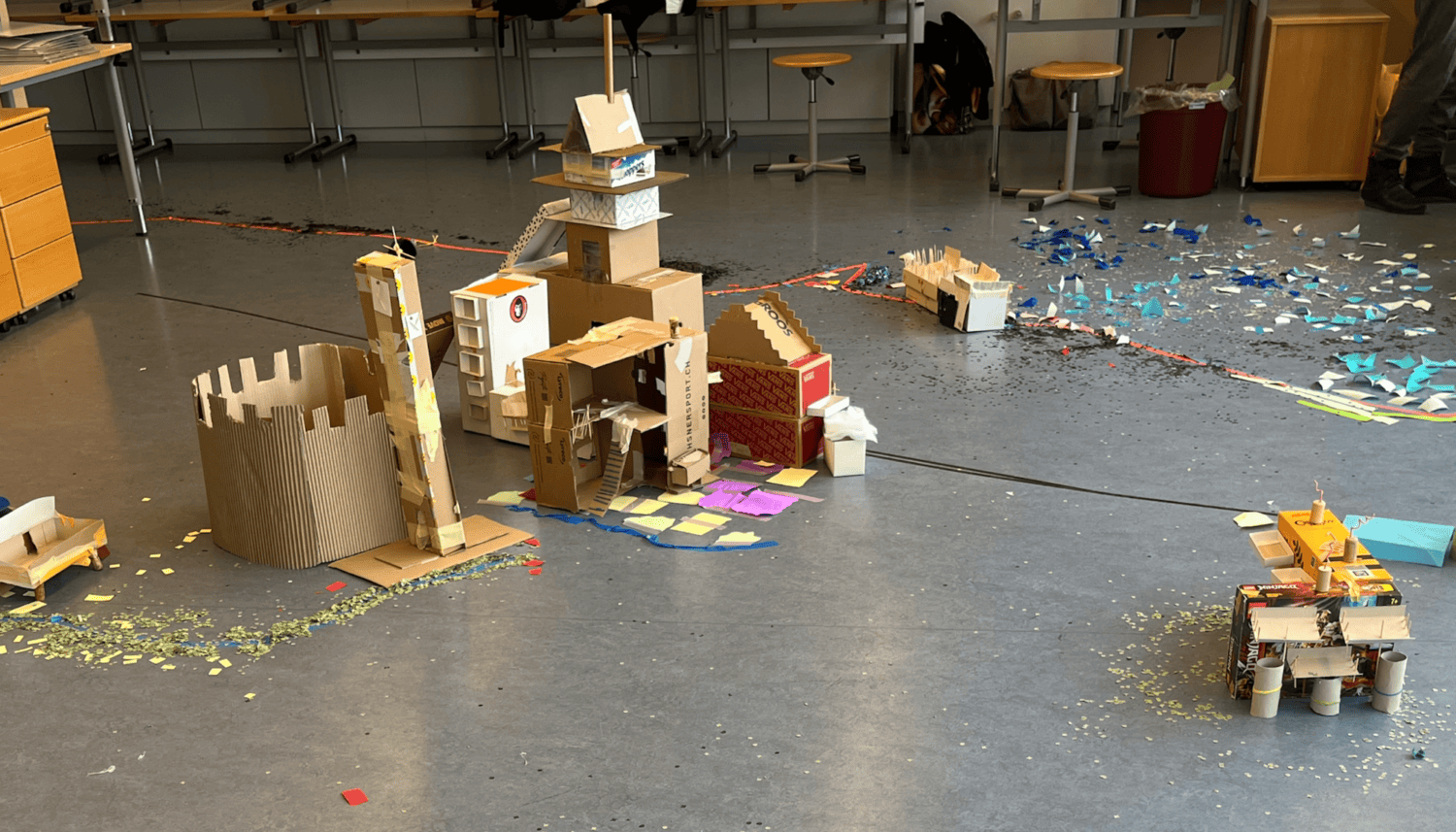
This project explores how children and young people can grow into an active and responsible role in architectural and urban planning processes. It starts from the premise that participation is central to shaping attitudes towards social and ecological justice, and that sustainable urban development must address not only the careful use of resources but also the socio-cultural dimensions of the built environment. Based on participatory research, the project asks how children and young people imagine a sustainable and just building culture in their own living environments, and which goals, contents, and methods are needed for a sustainable, participatory building culture education in schools. A children’s and youth advisory board accompanies the process, while BauKulturLabs in different locations test ideas and findings in practice.
The project will result in a handbook for building culture education and a method kit with playful elements. While the handbook provides foundational knowledge for teachers and building culture educators, the BauKulturLabs in schools work with artistic and spatial research methods to collaboratively develop scenarios for a sustainable building culture. Running from 2025 to 2029 and funded by the Swiss National Science Foundation, the project is carried out by a transdisciplinary team spanning building culture education, architecture, art education, art, geography, and civil society practice.
At the mLAB, Institute of Geography, University of Bern, the project involves Carolin Schurr, Eva Chen, and Mirko Winkel. Further project partners are Gila Kolb, Lea Weniger, Andreas Schäli, Eveline Althaus, Marta Brkovic Dodig, and Anna Pontais. Together, they bring expertise from geography, education, architecture, art, and applied research into a shared effort to rethink Baukultur from the perspectives of children and young people.
About
Our aim is to make new media, art and digital technologies an integral part of research activities and develop unorthodox coalitions of aesthetics and geography. Besides making research results visible to different publics, the mLAB focuses on creating sensorial routes of knowledge production.
Mirko Winkel
Carolin Schurr,
Susan Thieme
Design:
Studio Yukiko
Programming:
web3000