











System Relevant!
Building Together
9th Science Filmmaking Marathon
Where Should the Data Go?
Graniczanka
7th GLOBAL SCIENCE FILM FESTIVAL
Intimate Borders
Call Special Issue: Climate, arts, and activism
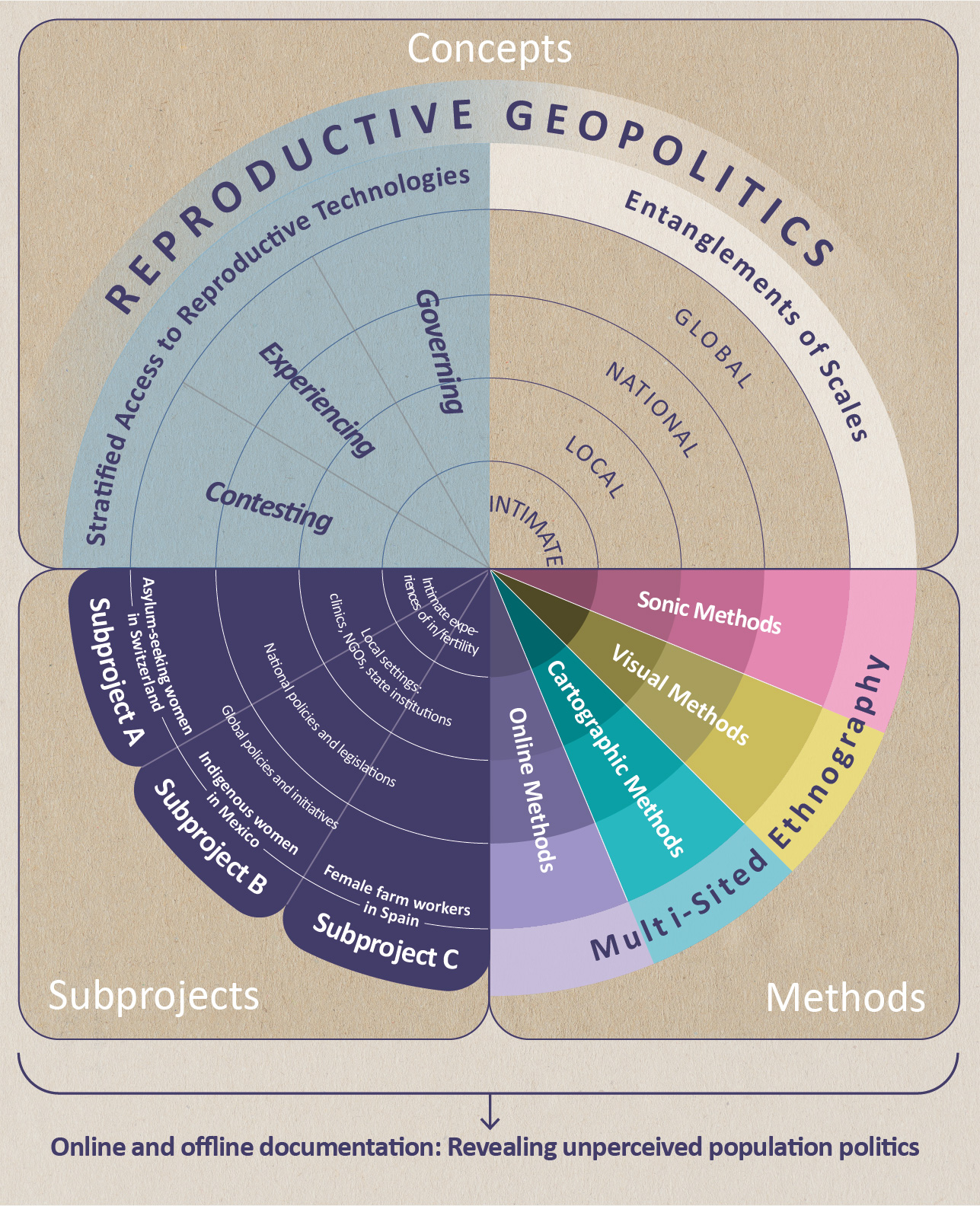
Reproductive Geopolitics
Queering Gender, Work, and the Family Farm
Reflections on the EcoArtLab Residency
6th Global Science Film Festival 2024
8th Science Filmmaking Marathon
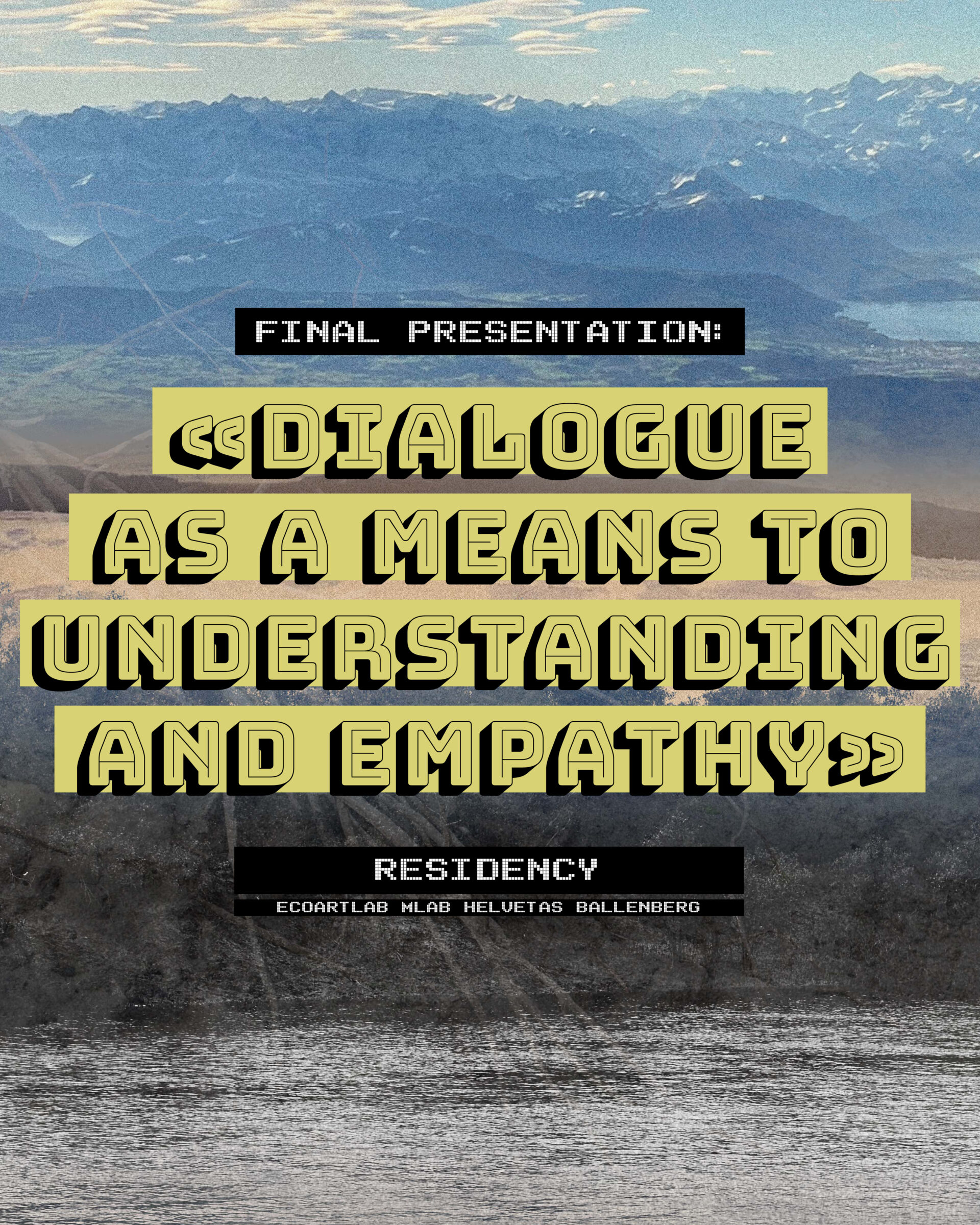
Final Presentation: «Dialogue as a means to understanding and empathy»
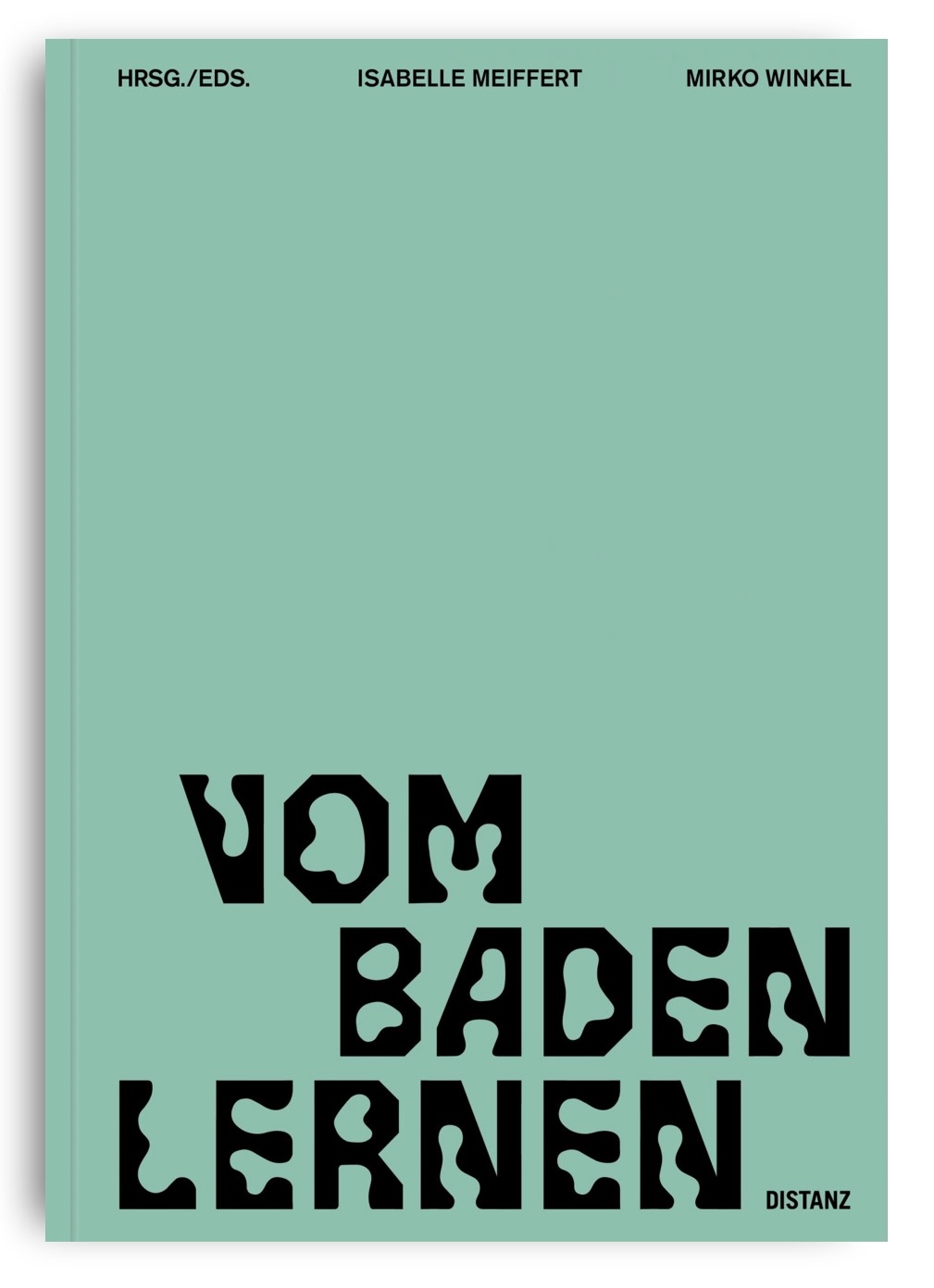
Book Launch - Vom Baden Lernen
7th Science Filmmaking Marathon
Panel: The Future of Art and Science Collaborations
Gendered Spaces – Art and Science in Dialogue about the Production of Space
La Frontera: (Intimate) Borders in Latin America
Residency: Healthy Grounds – But for whom?
5th Global Science Film Festival 2023: Bern Edition
Report: Unplaces in the Periphery
Spatial Narratives – Installation
Exhibition: Care-Arbeit erzählbar machen
Lunch Cinema: Weaving Threads Across Borders
Residency: GEOGRAPHY OF GHOSTS
Workshop: Creative Methods in Health Geographies
Workshop Call: Transitional Justice
Film & Geography: Work/Health/Care
Short Film Program: Reproductive Justice
Exhibition: Making Babies in Bern
5th Global Science Film Festival 2023: Zurich Edition
Exhibition: Making Babies in Berlin
Elusive Exposures Event Series
Research Studio: Mapping the Global Intimate
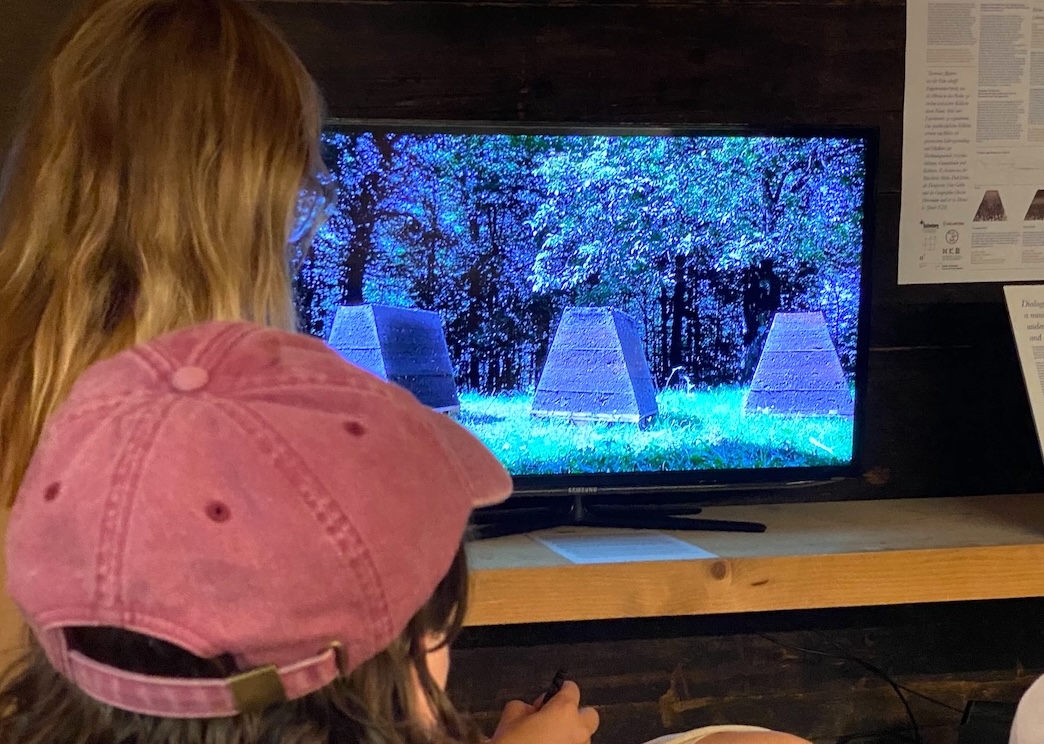
Video Installations around the Baths
mLAB Symposium - Other Cartographies
Partnering for Change: Link Research to Societal Challenges
EcoArtLab: Transdisciplinary Approaches to Climate Change
Theatre of Transformation Workshop: Transforming Margins
Master's Thesis: Co-production of Knowledge through Filmmaking
Health Care Unbound
Animating the Commons
Call for Research-Art Collaboration: ON UN/HEALTHY GROUNDS
4th Global Science Film Festival 2021 Bern-Zurich
Mapping Possible Worlds
“Critical Sustainability Research” with the Social Learning Video Method
Conversing Alps in Times of Climate Crisis
Toxic Textures
Digital Geographies of the Global Intimate
mLAB Symposium - The Inspired Discipline
Call for Research-Art Collaboration: UN/CERTAIN CALIBRATIONS
Explorations into the World of Radical Cartographies
Producing and Reflecting Maps
Climatology & Climatography of Care
Call for Research-Art Collaboration - GLOBAL IN/JUSTICE
Homelessness in Bern
More-Than-Human Geographies
Where Should the Data Go?
Mirko Winkel & Jeannine Wintzer
A Plea for Dialogical Encounters between Geography and the Public
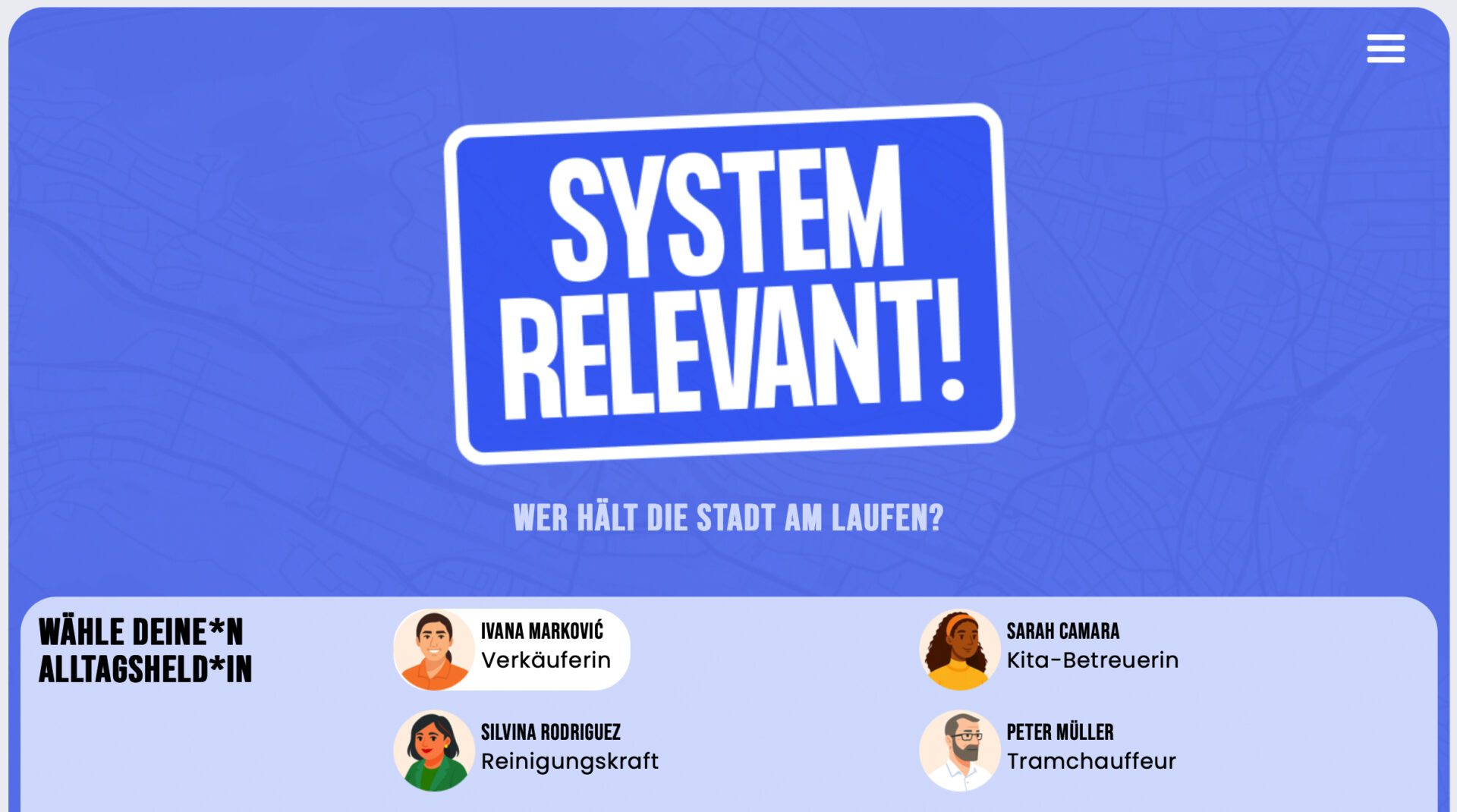
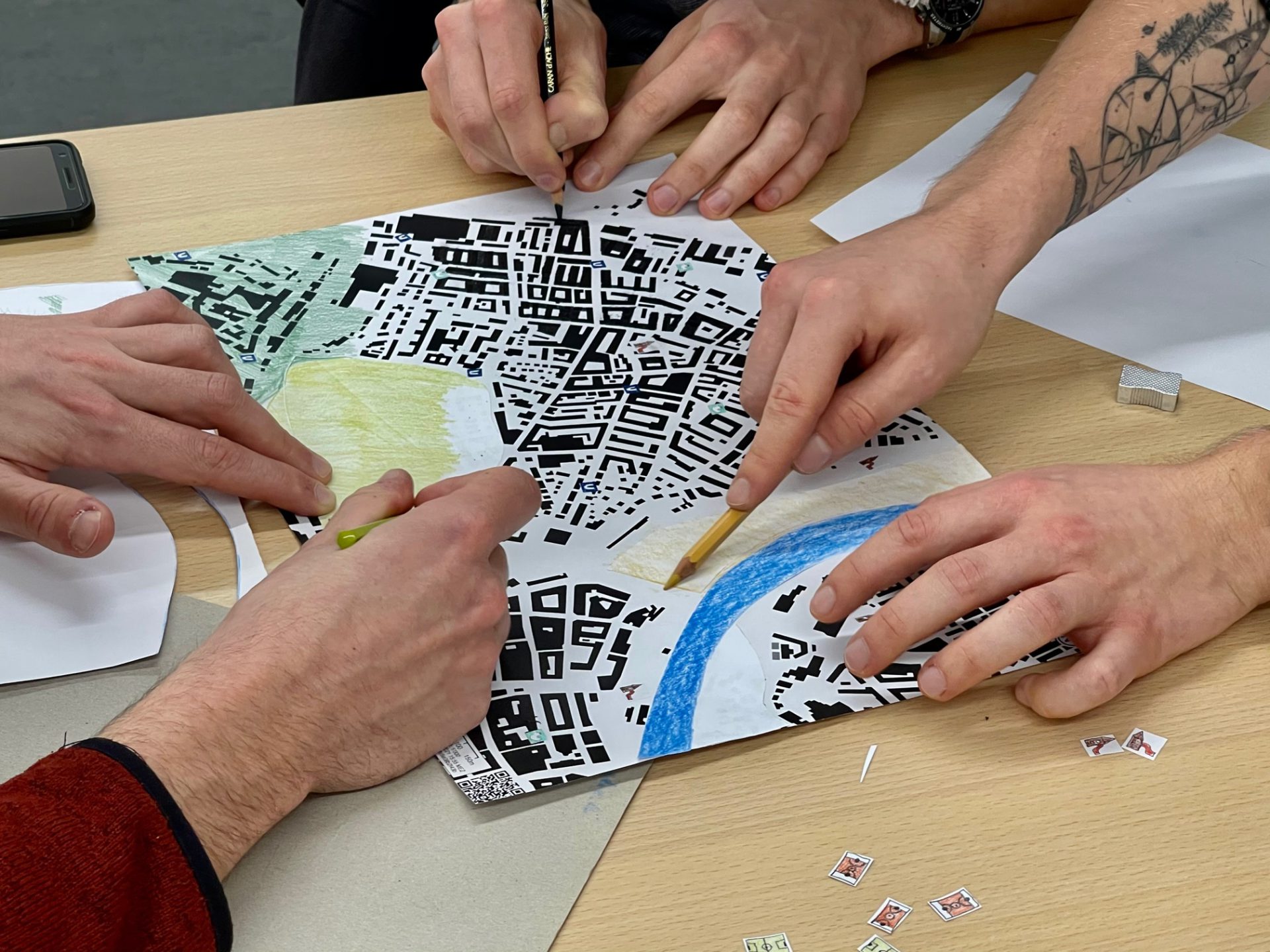
Visualisation plays a major role in established communication strategies, for example in the form of graphics, tables, and figures used to convey complex issues to an interested audience. Yet we see these efforts primarily as a unidirectional and asymmetrical visual process of transferring information from those presumed to know to those presumed not to know. Drawing on Paulo Freire’s concept of dialogical pedagogy and Helen Wilson’s concept of organised encounter, we present two examples of geographical science communication that rethink the role of visualisation in scientific communication processes and understand it as a dialogical encounter between science and the public. Rather than mere transmission, the performative activation of knowledge by its carriers enables dialogical encounters in which interaction, exchange, and shared experience take centre stage.
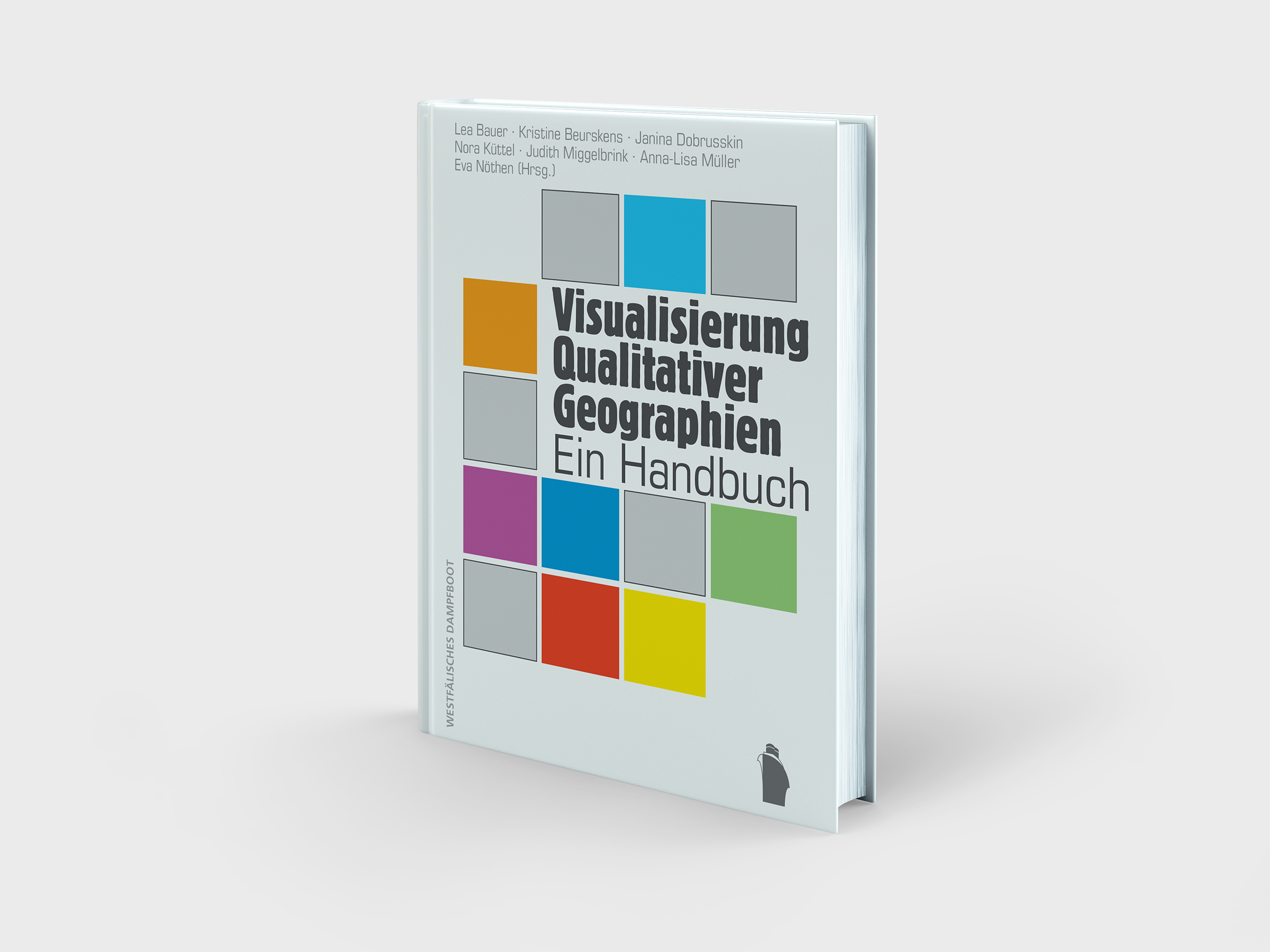
Mirko Winkel and Jeannine Wintzer. 2025. “Wohin mit den Daten? Ein Plädoyer für dialogische Begegnungen zwischen Geographie und Öffentlichkeit.” In Visualisierung Qualitativer Geographien: Ein Handbuch, edited by Lea Bauer, Kristine Beurskens, Janina Dobrusskin, Nora Küttel, Judith Miggelbrink, Anna-Lisa Müller and Eva Nöthen, 235–252. Münster: Westfälisches Dampfboot. https://doi.org/10.56715/978398634208.